kunstmatige intelligentie
How AI is Transforming Emergency Care from Within – Without Replacing the Doctor
Nederland, maandag, 8 december 2025.
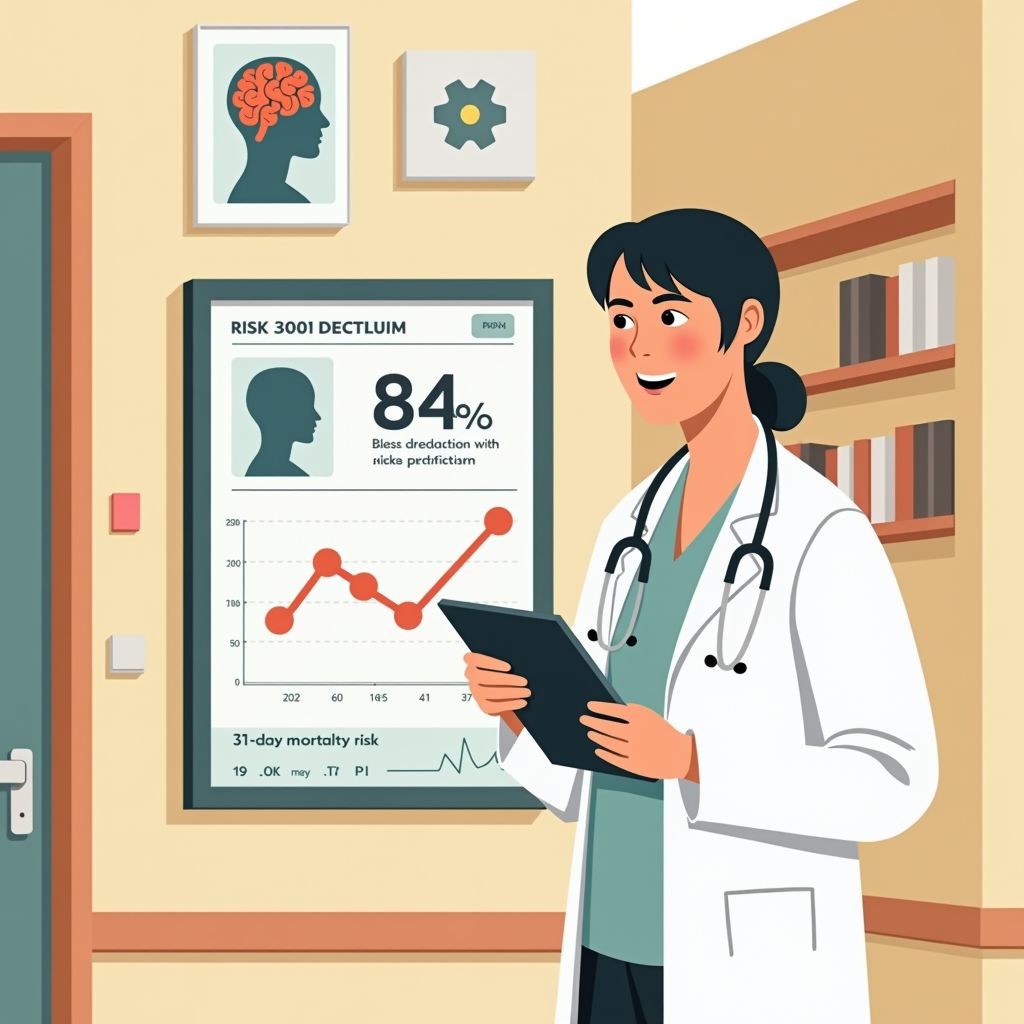
A world-first study demonstrates that artificial intelligence (AI) in emergency departments (ED) is a reliable tool: it predicts the risk of death within 31 days with 84% accuracy. Yet a surprising finding emerges: doctors rarely adjust their treatment plans, even when given this information. Why? Because the AI only signals risks, without providing concrete recommendations. The study, conducted in Maastricht with 1,303 patients and 97 physicians, shows that technology adds real value only when it seamlessly integrates into daily clinical workflows. The future lies not in automation, but in responsible human-machine collaboration—where the physician always retains ultimate decision-making authority.
Comment l'intelligence artificielle transforme les soins d'urgence intérieurs – sans remplacer le médecin
Nederland, maandag, 8 december 2025.
Une étude mondiale pionnière démontre que l’intelligence artificielle (IA) en soins d’urgence (SEH) est un outil fiable : elle prédit avec une précision de 84 % le risque de décès dans les 31 jours suivant l’admission. Pourtant, un fait surprenant émerge : les médecins ajustent très peu leur prise en charge, même lorsqu’ils ont accès à ces informations. Pourquoi ? Parce que l’IA ne propose que des signalements de risque, sans recommandations concrètes. L’étude, menée à Maastricht avec 1 303 patients et 97 médecins, montre que la technologie apporte vraiment de la valeur uniquement lorsqu’elle s’intègre véritablement au quotidien. L’avenir ne réside pas dans l’automatisation, mais dans une collaboration responsable entre humain et machine – où le médecin conserve toujours la direction des décisions.
Hoe AI de spoedeisende hulp van binnen verandert – zonder de arts te vervangen
Nederland, maandag, 8 december 2025.
Een wereldwijde eerste studie toont aan dat kunstmatige intelligentie op de spoedeisende hulp (SEH) een betrouwbaar hulpmiddel is: het voorspelt de kans op overlijden binnen 31 dagen met 84 procent nauwkeurigheid. Toch blijkt een verrassend feit: artsen passen hun behandeling nauwelijks aan, ook al krijgen ze deze informatie. Waarom? Omdat de AI alleen risico’s signaliseert, maar geen concrete aanbevelingen doet. De studie, uitgevoerd in Maastricht met 1.303 patiënten en 97 artsen, laat zien dat technologie pas echt waarde toevoegt als ze echt aansluit op het dagelijks werk. De toekomst ligt niet in automatisering, maar in verantwoorde samenwerking tussen mens en machine – waar de arts altijd de leiding houdt.
How AI Could Divide the World – and What We Can Do About It
Hanoi, woensdag, 3 december 2025.
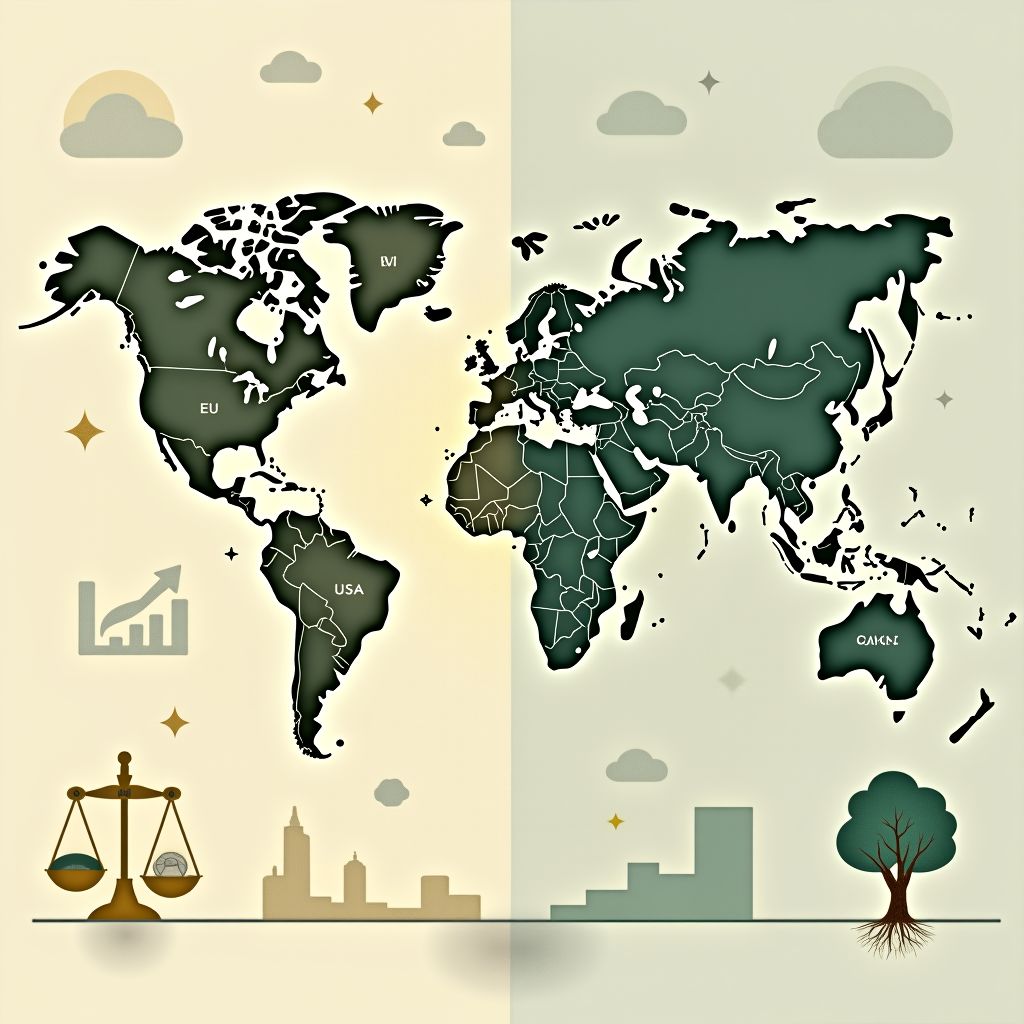
AI has the potential to widen global inequality, warns the UNDP based on a new report from Hanoi. The most striking finding? The gap between wealthy and poorer nations could deepen, as only a handful of countries have sufficient access to the technology, skills, and infrastructure needed to benefit from AI. While countries like Vietnam are actively building AI strategies, developing nations remain in the background. The opportunities are significant – such as a potential 2 percentage point boost in GDP growth across the Asia-Pacific region – but only if inclusive policies are implemented. The decision over who wins and who falls behind depends not on technology, but on the choices we make today.
Comment l'IA peut diviser le monde en deux – et ce que nous pouvons y faire
Hanoi, woensdag, 3 december 2025.
L’intelligence artificielle a le potentiel d’aggraver les inégalités mondiales, avertit le PNUD sur la base d’un nouveau rapport publié à Hanoï. Le fait le plus frappant ? La fracture entre les pays riches et les pays pauvres pourrait s’approfondir, car seulement une poignée de nations disposent d’un accès suffisant aux technologies, aux compétences et à l’infrastructure nécessaires pour tirer parti de l’IA. Alors que des pays comme le Viêt Nam s’activent à développer une stratégie IA, les pays en développement restent en retrait. Les opportunités sont énormes – comme une croissance potentielle de 2 points de pourcentage du PIB dans la région Asie-Pacifique – mais elles ne seront réalisables qu’avec des politiques inclusives. Le choix de savoir qui gagne et qui est laissé pour compte ne dépend pas de la technologie, mais des décisions que nous prenons aujourd’hui.
Hoe AI de wereld in tweeën kan splijten – en wat we eraan kunnen doen
Hanoi, woensdag, 3 december 2025.
AI heeft het vermogen om de wereldwijde ongelijkheid te vergroten, waarschuwt het UNDP op basis van een nieuw rapport uit Hanoi. Het meest opvallende feit? De kloof tussen rijke en arme landen kan zich verdiepen, omdat slechts een handvol landen voldoende toegang hebben tot de technologie, vaardigheden en infrastructuur die nodig zijn om van AI te profiteren. Terwijl landen als Vietnam actief zijn in het opbouwen van een AI-strategie, blijven ontwikkelingslanden op de achtergrond. De kansen zijn groot – zoals een potentiële groei van 2 procentpunten in het bbp van de Azië-Pacific-regio – maar alleen als er inclusief beleid komt. De beslissing over wie er wint en wie achterblijft, hangt niet af van technologie, maar van keuzes die we nu maken.

How Vietnam Uses AI to Make Government Smarter
Hanoi, vrijdag, 28 november 2025.
At ICTA 2025 in Hanoi, an unexpected step forward in AI development was unveiled: Vietnam is not only focusing on technological advancement but also on sustainable and inclusive applications within the public sector. One of the most notable developments was the plan to integrate AI into 40% of government services within five years—spanning healthcare to education. The conference demonstrated that Vietnam is not just a rapid rising star in the AI landscape, but also a pioneer in combining innovation with social objectives. The emphasis on ethics, reliability, and local adaptation makes it a valuable example for other countries in Asia and beyond.
Comment le Vietnam utilise l'IA pour rendre l'administration plus intelligente
Hanoi, vrijdag, 28 november 2025.
Lors de la conférence ICTA 2025 à Hanoï, une étape inattendue dans le développement de l’intelligence artificielle a été révélée : le Vietnam ne se concentre pas seulement sur l’avancée technologique, mais également sur des applications durables et inclusives dans le secteur public. L’un des développements les plus marquants a été le projet visant à intégrer l’IA dans 40 % des services publics d’ici cinq ans – allant de la santé à l’éducation. La conférence a démontré que le Vietnam n’est pas seulement un acteur en plein essor sur la scène de l’IA, mais aussi un pionnier dans la combinaison de l’innovation avec des objectifs sociaux. L’accent mis sur l’éthique, la fiabilité et l’adaptation locale en fait un exemple précieux pour d’autres pays d’Asie et au-delà.
Hoe Vietnam AI gebruikt om de overheid slimmer te maken
Hanoi, vrijdag, 28 november 2025.
Tijdens de ICTA 2025 in Hanoi werd een onverwachte stap in de AI-ontwikkeling onthuld: Vietnam richt zich niet alleen op technologische vooruitgang, maar ook op duurzame en inclusieve toepassingen in de publieke sector. Een van de meest opvallende ontwikkelingen was het plan om binnen vijf jaar AI te integreren in 40% van de overheidsdiensten – van gezondheidszorg tot onderwijs. De conferentie toonde aan dat Vietnam niet alleen een snelle opstijger in de AI-landscape is, maar ook een pionier in het combineren van innovatie met sociale doelstellingen. De focus op ethiek, betrouwbaarheid en lokale aanpassing maakt het een waardevol voorbeeld voor andere landen in Azië en daarbuiten.

How Young Vietnamese Entrepreneurs Use AI to Reach Global Markets
Hanoi, vrijdag, 28 november 2025.
In Vietnam, young entrepreneurs are growing rapidly with the help of artificial intelligence—and this is having an unexpected impact. A striking fact: 67% of Vietnamese AI startups used AI in 2025, a rise from just 19% in 2022. This leap is no coincidence: young founders are using AI not only to work more efficiently, but as a powerful tool to compete internationally. From fintech to agritech, from e-commerce to digital services, their innovations are increasingly attracting global investors. With a national AI strategy on track towards 2030 and a new generation viewing AI as a natural extension of their creativity, Vietnam is rapidly transforming from a manufacturing hub into an active player in the global technological transition. The likelihood of this growth being sustainable is greater than ever.