herkennen
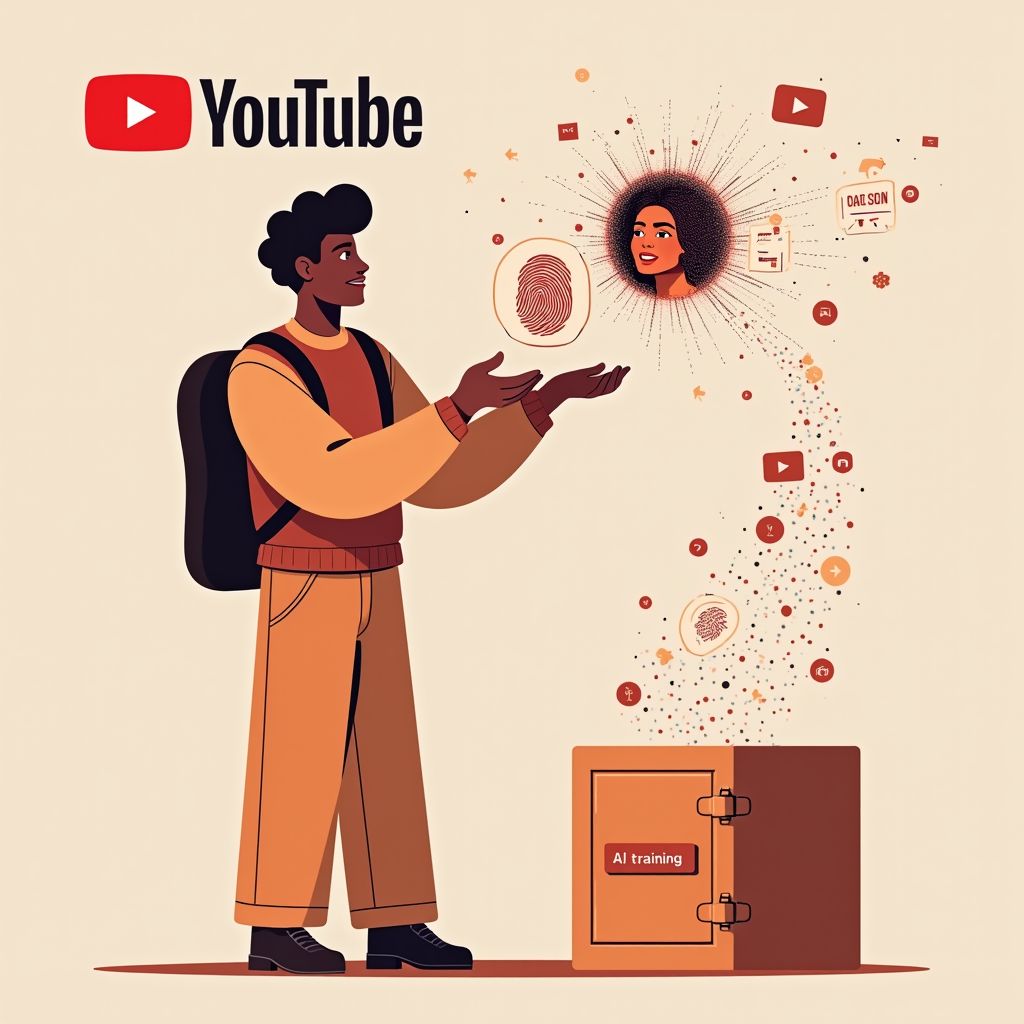
Why your photo of your face might no longer be entirely your own
Amsterdam, donderdag, 4 december 2025.
YouTube has launched a new tool to detect deepfakes, but there’s a significant twist: to protect your digital image, you must provide biometric data. The most alarming fact? Experts warn that Google could use this data to train its AI models, despite YouTube’s assurances that the information will only be used for identity verification. For creators who already view their likeness as a valuable asset in the AI era, this represents a risk they may never recover from. The tool will be rolled out to millions of creators by the end of January 2026—but the question remains: is security truly worth paying with control over your own image?
Pourquoi votre photo de visage pourrait ne plus être entièrement votre propriété
Amsterdam, donderdag, 4 december 2025.
YouTube lance un nouvel outil de détection des deepfakes, mais une torsion majeure s’invite dans le processus : pour protéger votre image de marque, vous devez fournir des données biométriques. Le fait le plus inquiétant ? Selon les experts, Google pourrait utiliser ces données pour entraîner ses modèles d’IA, malgré les promesses de YouTube selon lesquelles les données ne seraient utilisées que pour la vérification d’identité. Pour les créateurs qui considèrent déjà leur visage comme un actif précieux dans l’ère de l’IA, il s’agit d’un risque qu’ils ne pourraient jamais récupérer. L’outil sera déployé à des millions de créateurs à la fin janvier 2026 – mais la question persiste : la sécurité vaut-elle vraiment le prix de la perte de contrôle sur votre propre image ?
Waarom je foto van je gezicht misschien niet meer helemaal jouw eigen is
Amsterdam, donderdag, 4 december 2025.
YouTube lanceert een nieuwe tool om deepfakes te herkennen, maar er zit een ingrijpende twist in: om je imago te beschermen, moet je biometrische gegevens verstrekken. Het meest verontrustende feit? Volgens experts kan Google die gegevens gebruiken om zijn AI-modellen te trainen, ondanks de beloften van YouTube dat de data alleen voor identiteitsverificatie wordt gebruikt. Voor makers die hun gezicht al als waardevol bezit beschouwen in de AI-epoch, is het een risico dat ze nooit meer terugkrijgen. De tool wordt eind januari 2026 uitgerold naar miljoenen creators – maar de vraag blijft: is veiligheid echt te betalen met controle over je eigen beeld?

How a simple video scan can save trust in news
Amsterdam, dinsdag, 2 december 2025.
Imagine watching a video online that isn’t real — but a creation made by AI. Reality Defender has launched RealScan, a tool that detects whether an image, video, or audio has been manipulated in seconds. Its most striking feature? It can identify unnatural eye movements or vocal anomalies, enabling a photo of three people to be flagged as fake with 93% probability. Designed for journalists, governments, and media organisations, RealScan helps identify false content during sensitive moments, such as elections. The tool is accessible via a web interface and delivers clear, legally usable reports. In an era where AI-generated fake content is rapidly growing, RealScan offers an essential means of protecting truth — without requiring technical expertise.
Comment une simple vidéo peut sauver la confiance dans les actualités
Amsterdam, dinsdag, 2 december 2025.
Imaginez qu’une vidéo que vous voyez en ligne n’est pas authentique — mais une création générée par une intelligence artificielle. Reality Defender lance RealScan, un outil capable de détecter, en quelques secondes, si une image, une vidéo ou un enregistrement audio a été manipulé. La fonction la plus remarquable ? Il peut identifier des mouvements oculaires anormaux ou des dérives dans le timbre de voix, permettant ainsi d’identifier une photo de trois personnes comme étant falsifiée avec une probabilité de 93 %. Conçu pour les journalistes, les autorités publiques et les médias, RealScan aide à repérer les contenus falsifiés lors d’événements sensibles, comme les élections. L’outil est disponible via une interface web et génère des rapports clairs, pouvant être utilisés à des fins juridiques. À une époque où la génération d’informations fausses par l’IA progresse rapidement, RealScan constitue un outil essentiel pour protéger la vérité — sans nécessiter de compétences techniques avancées.
Hoe een eenvoudige video scan het vertrouwen in nieuws kan redden
Amsterdam, dinsdag, 2 december 2025.
Stel je voor dat een video die je online ziet, niet echt is — maar een AI-gemaakte creatie. Reality Defender lanceert RealScan, een tool die binnen seconden detecteert of een beeld, video of audio is opgeknoopt. De meest opvallende functie? Het kan zelfs onnatuurlijke oogbewegingen of stemtoonafwijkingen onderscheiden, waardoor een foto van drie mensen met 93% waarschijnlijkheid als gefakeerd wordt geïdentificeerd. Bedoeld voor journalisten, overheden en media, helpt RealScan bij het herkennen van nepinhoud tijdens sensibele momenten, zoals verkiezingen. De tool is beschikbaar via een webinterface en levert duidelijke rapporten die ook juridisch bruikbaar zijn. In een tijd waarin AI-generatie van fake content snel groeit, biedt RealScan een essentieel middel om de waarheid te beschermen — zonder dat je technisch expert hoeft te zijn.

Why you're probably missing a fake news story, even if you think you've spotted it
Amsterdam, maandag, 1 december 2025.
A recent study reveals that Dutch people generally place excessive trust in their ability to detect online fraud — despite consistently failing to do so in practice. Most strikingly, over half of the respondents were convinced they could identify a fraudulent attempt, while the research shows people are actually poor at distinguishing between real and fake content. This gap between self-perception and reality is one of the biggest challenges in the fight against disinformation. In an era when AI-generated deepfakes and images are becoming increasingly realistic, critical thinking is essential — because the line between truth and manipulation is blurring every day.
Pourquoi vous manquez probablement un faux article d'actualité, même si vous pensez le reconnaître
Amsterdam, maandag, 1 december 2025.
Une étude récente révèle que les Néerlandais ont une confiance excessive dans leur capacité à détecter la désinformation en ligne — alors qu’en réalité, ils échouent souvent. Ce qui est le plus troublant : plus de la moitié des répondants sont convaincus de repérer une tentative de fraude, alors que l’étude démontre que les individus se révèlent en réalité très mauvais pour distinguer le vrai du faux. Ce fossé entre perception subjective et réalité constitue l’une des plus grandes difficultés dans la lutte contre la désinformation. À une époque où les textes et images générés par l’IA deviennent de plus en plus réalistes, il est essentiel de rester critique — car la frontière entre vérité et manipulation s’estompe chaque jour un peu plus.
Waarom u waarschijnlijk een nepnieuwsbericht mist, zelfs als u denkt dat u het herkent
Amsterdam, maandag, 1 december 2025.
Een recent onderzoek laat zien dat Nederlanders gemiddeld veel te vertrouwen hebben in hun vermogen om online oplichting te herkennen — terwijl ze in werkelijkheid vaak falen. Het meest verbluffende: meer dan de helft van de respondenten is ervan overtuigd dat ze een fraudepoging herkennen, terwijl het onderzoek aantoont dat mensen in feite slecht zijn in het onderscheid maken tussen echt en nep. Deze kloof tussen zelfperceptie en werkelijkheid is een van de grootste uitdagingen in de strijd tegen desinformatie. In een tijd waarin AI-gegenereerde diepteksten en beelden steeds realistischer worden, is het essentieel om kritisch te blijven — want de grens tussen waarheid en manipulatie vervaagt elke dag meer.
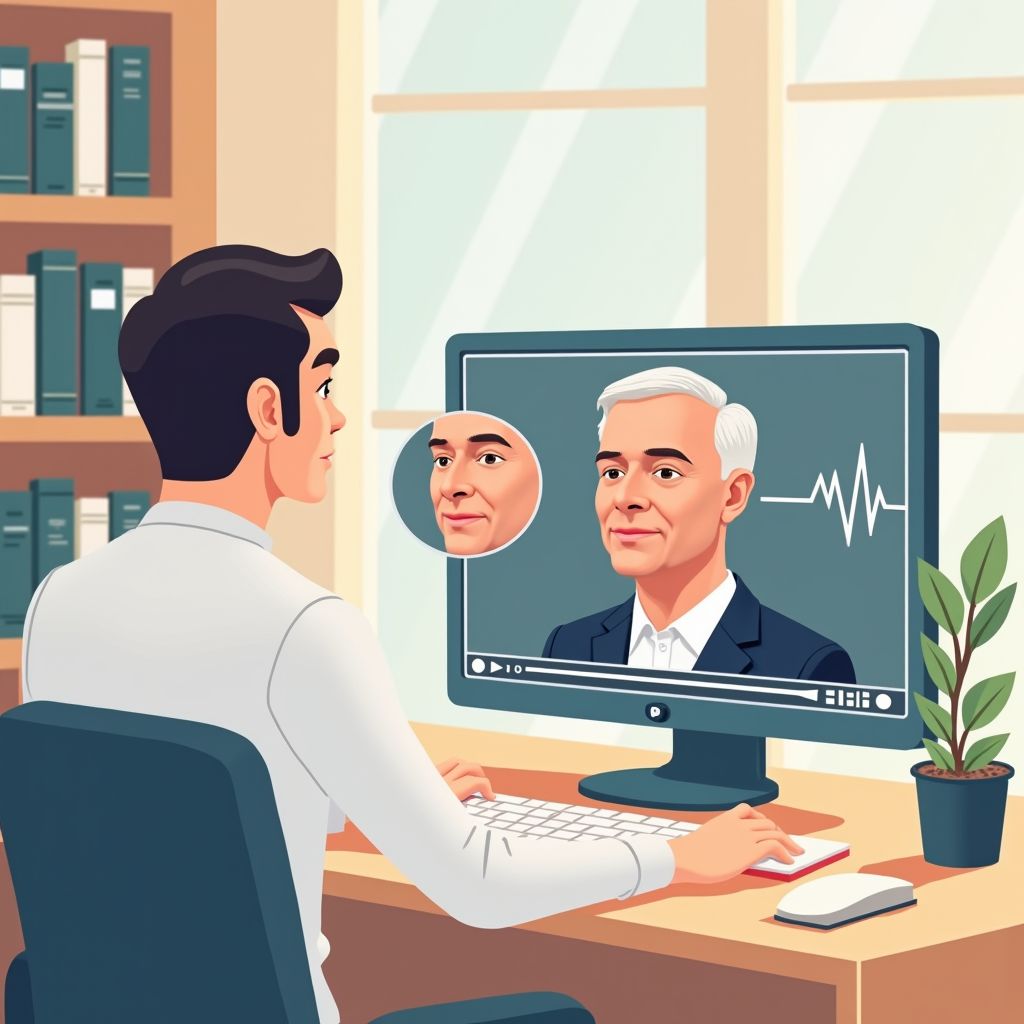
How an Invisible Pulse Makes the Difference in Exposing Fake Videos
rotterdam, dinsdag, 25 november 2025.
Imagine a video of a well-known individual claiming to have said something they never actually said. The solution lies hidden in something you can’t see: an invisible pulse. Dutch forensic researchers are now using a smart technique that analyses subtle colour changes in the face—caused by each heartbeat—to determine whether a video is genuine or an AI-generated deepfake. Most impressively, these movements are too fast and too fine for the naked eye, yet they are perfectly detected by software. It marks a crucial step in the fight against manipulative media, where even the most realistic fake videos can be tested against an undeniable biological marker: life itself.