AI-bots

Why WhatsApp Now Only Allows Meta AI: The EU Is Looking Into What’s Happening
Brussel, vrijdag, 5 december 2025.
From 15 January, WhatsApp will no longer allow external AI bots, while Meta’s own AI assistant remains fully operational. This has raised concerns with the European Commission, as it appears to be a form of market power abuse that blocks competition. Most notably, an AI service with around 50 million users—such as ChatGPT—has disappeared from WhatsApp, while Meta’s alternative remains freely available. The Commission is investigating whether this policy violates European competition rules. The outcome could shape the future of AI on digital platforms across Europe.
Pourquoi WhatsApp ne permet désormais que l'IA de Meta : l'UE examine la situation
Brussel, vrijdag, 5 december 2025.
À partir du 15 janvier, WhatsApp ne permet plus aux bots d’IA externes d’être utilisés, tandis que l’assistant IA de Meta fonctionne librement. Cette décision inquiète la Commission européenne, qui y voit une forme d’abus de position dominante, empêchant la concurrence sur une plateforme majeure. Ce qui frappe le plus ? Une service d’IA comptant près de 50 millions d’utilisateurs, comme ChatGPT, disparaît de WhatsApp, alors que l’alternative de Meta reste pleinement disponible. La Commission enquête sur la conformité de cette mesure aux règles européennes de concurrence. Le résultat pourrait déterminer l’avenir de l’IA sur les plateformes numériques en Europe.
Waarom WhatsApp nu alleen Meta AI toestaat: de EU kijkt wat er aan de hand is
Brussel, vrijdag, 5 december 2025.
Vanaf 15 januari mag WhatsApp geen externe AI-bots meer gebruiken, terwijl Meta’s eigen AI-assistent ongehinderd blijft werken. Dat maakt de Europese Commissie bezorgd: het lijkt op een vorm van machtsmisbruik waarbij een groot platform concurrentie blokkeert. Het meest opvallend? Een AI-dienst met zo’n 50 miljoen gebruikers – zoals ChatGPT – verdwijnt uit WhatsApp, terwijl de eigen alternatief van Meta ongehinderd beschikbaar blijft. De Commissie onderzoekt of dit tegen Europese concurrentieregels ingaat. De uitkomst kan de toekomst van AI op digitale platforms in Europa bepalen.
How Italy Is Blocking AI Abuse in Finance
Rome, zaterdag, 29 november 2025.
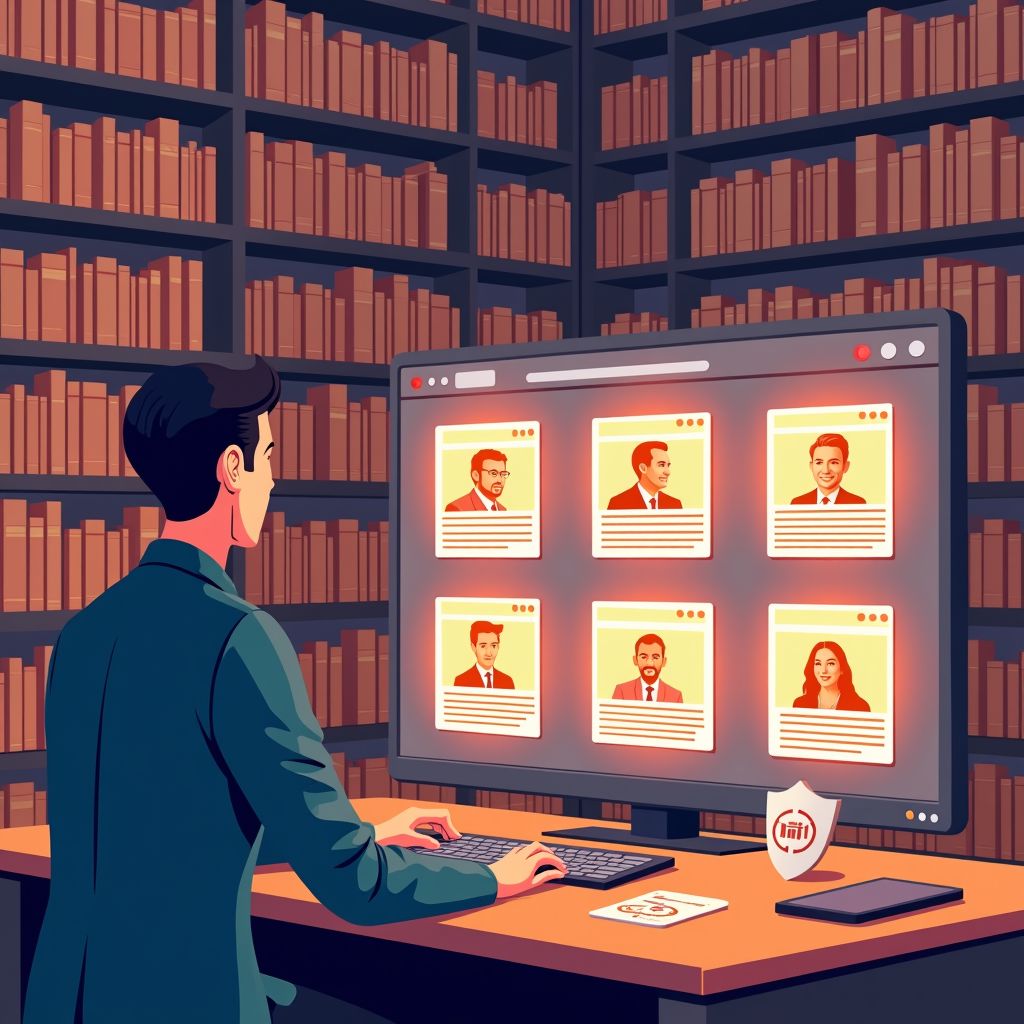
On 27 November 2025, Italy banned six websites that used AI bots and deepfakes to mislead investors. The action, carried out by the financial regulator Consob, targeted platforms that exploited cloned identities—such as those of a well-known journalist—to build trust and steal money. Most alarming: fraudsters are using AI to generate fabricated interviews, voices, and videos in real time, making it nearly impossible for users to detect deception. This measure is a direct response to a 310% increase in AI-based fraud attacks in the first quarter of 2025. Italy is now one of the first countries in Europe to adopt a direct legislative response to this emerging form of cybercrime—a move signaling a fundamental shift in how we must approach online security.
Comment l'Italie bloque le détournement de l'IA dans les finances
Rome, zaterdag, 29 november 2025.
L’Italie a interdit, le 27 novembre 2025, six sites web utilisant des bots d’IA et des deepfakes pour tromper les investisseurs. Cette action, menée par l’autorité de surveillance financière Consob, cible des plateformes qui exploitaient des identités clonées — telles que celles d’un journaliste connu — pour susciter la confiance et voler de l’argent. Ce qui est le plus inquiétant : les fraudeurs utilisent l’IA pour générer en temps réel des interviews, des voix et des vidéos fabriquées, rendant presque impossible pour les utilisateurs de détecter la supercherie. Cette mesure constitue une réponse directe à une augmentation de 310 % des attaques frauduleuses basées sur l’IA au premier trimestre 2025. L’Italie devient ainsi l’un des premiers pays d’Europe à adopter une mesure législative directe pour lutter contre cette nouvelle forme de cybercriminalité — un pas qui reflète un changement fondamental dans la manière dont nous devons aborder la sécurité en ligne.
Hoe Italië AI-misbruik in de financiën aan het blokkeren is
Rome, zaterdag, 29 november 2025.
Italië heeft op 27 november 2025 zes websites verboden die AI-bots en deepfakes gebruiken om investeerders te misleiden. De actie, uitgevoerd door de financiële toezichthouder Consob, richt zich op platforms die gekloonde identiteiten—zoals die van een bekende journalist—gebruiken om vertrouwen te creëren en geld te stelen. Het meest verontrustend: de fraudeurs maken gebruik van AI om in real time gefabriceerde interviews, stemmen en video’s te genereren, waardoor het voor gebruikers bijna onmogelijk is om nep te herkennen. Deze maatregel is een directe reactie op een 310% stijging van AI-gebaseerde fraude-aanvallen in het eerste kwartaal van 2025. Italië is nu een van de eerste landen in Europa die een rechtstreekse wetgevingsmaatregel neemt om deze nieuwe vorm van cybercriminaliteit te bestrijden—een stap die wijst op een fundamentele verandering in hoe we online veiligheid moeten aanpakken.

How AI browsers are changing our information behaviour
Amsterdam, maandag, 17 november 2025.
Since early 2025, AI browsers such as Perplexity’s Comet and OpenAI’s Atlas have increasingly replaced traditional search engines. What was once a list of search results is now a direct, summarised answer—often without citing sources. The impact is significant: users receive quick responses, but learn less about how to critically assess information. Moreover, AI companies collect search queries to improve their models, without transparency. Most people are unaware that their search behaviour is being used as ‘fuel’ for AI. In the Netherlands, libraries are now developing new tools to help people navigate between AI-generated answers and factual truth.
Comment les navigateurs basés sur l’IA modifient notre comportement informationnel
Amsterdam, maandag, 17 november 2025.
Depuis le début de 2025, les navigateurs basés sur l’IA tels que Perplexity Comet et Atlas d’OpenAI dépassent progressivement les moteurs de recherche traditionnels. Ce qui était auparavant un résultat de recherche se transforme désormais en réponse synthétisée directe, sans mention des sources. L’impact est considérable : les utilisateurs reçoivent des réponses rapides, mais apprennent moins à traiter l’information de manière critique. De plus, les entreprises spécialisées dans l’IA collectent les requêtes de recherche afin d’améliorer leurs modèles, sans transparence. La majorité des personnes ignorent que leur comportement de recherche sert de « carburant » pour l’IA. Aux Pays-Bas, les bibliothèques s’emploient actuellement à développer de nouveaux outils pour aider les citoyens à naviguer entre les réponses générées par l’IA et la vérité.
Hoe AI-browsers ons informatiegedrag veranderen
Amsterdam, maandag, 17 november 2025.
Sinds het begin van 2025 verdringen AI-browsers als Perplexity Comet en OpenAI’s Atlas steeds meer traditionele zoekmachines. Wat eerst een zoekresultaat was, wordt nu direct een samengevat antwoord – zonder bronvermelding. De impact is groot: gebruikers krijgen snelle antwoorden, maar leren minder hoe ze kritisch omgaan met informatie. Bovendien verzamelen AI-bedrijven zoekopdrachten om hun modellen te verbeteren, zonder transparantie. De meeste mensen weten niet dat hun zoekgedrag wordt gebruikt als ‘brandstof’ voor AI. In Nederland zijn bibliotheken nu bezig met het ontwikkelen van nieuwe tools om mensen te helpen bij het navigeren tussen AI-antwoorden en waarheid.
EU Considers Direct Bans on AI Bots Threatening Democracy
Brussel, zondag, 16 november 2025.
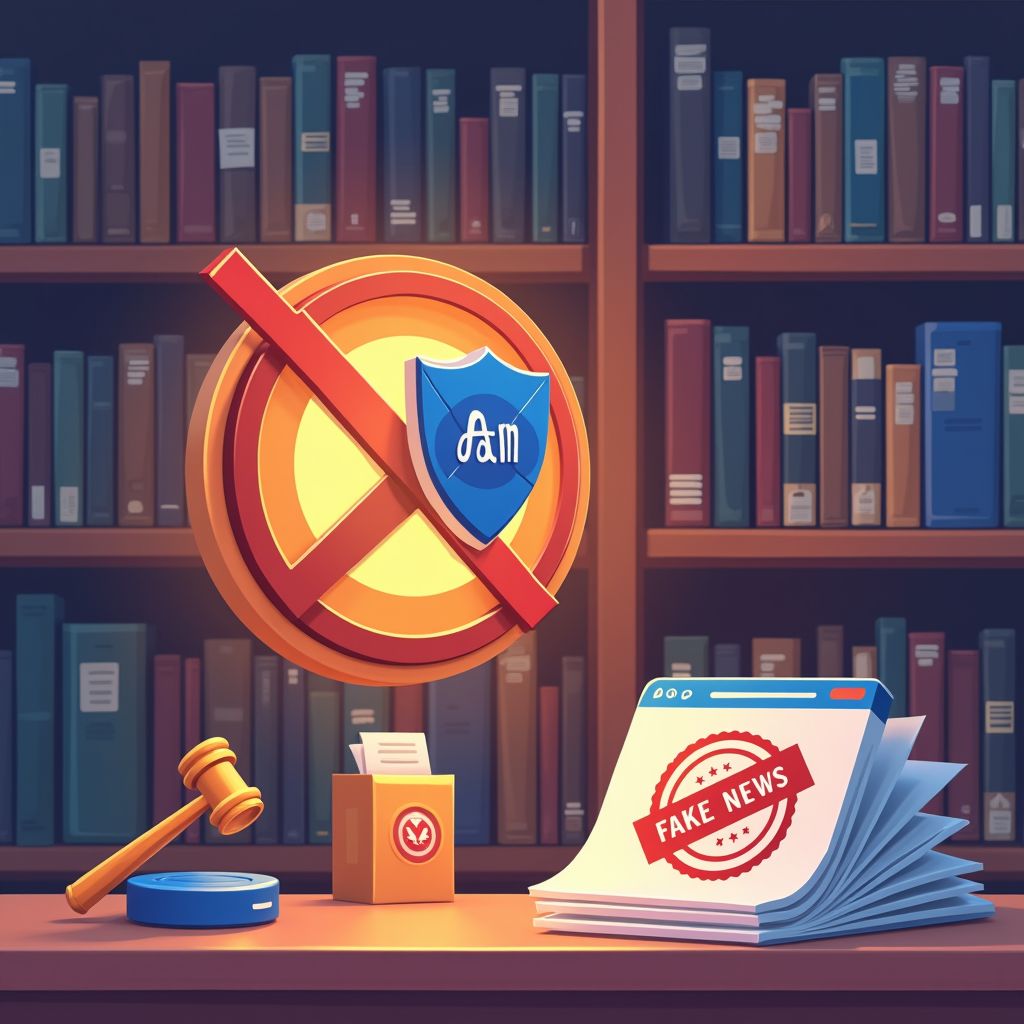
Imagine a website spreading false news without warning, or an AI bot manipulating millions of users with no traceable control. The European Union is now developing a powerful tool to directly block such harmful automations. Most notably, there is consideration to issue immediate bans on websites and AI bots—without prolonged legal procedures. This move comes amid growing concerns about manipulation during elections, where AI has already been used hundreds of times. The plans are part of a large-scale reform of the AI Act and the GDPR, aiming to protect democratic processes without stifling innovation. While the measure is not yet finalised, the idea that an AI law could enable direct intervention is one of the most concerning developments in digital security this week.