voorlichting
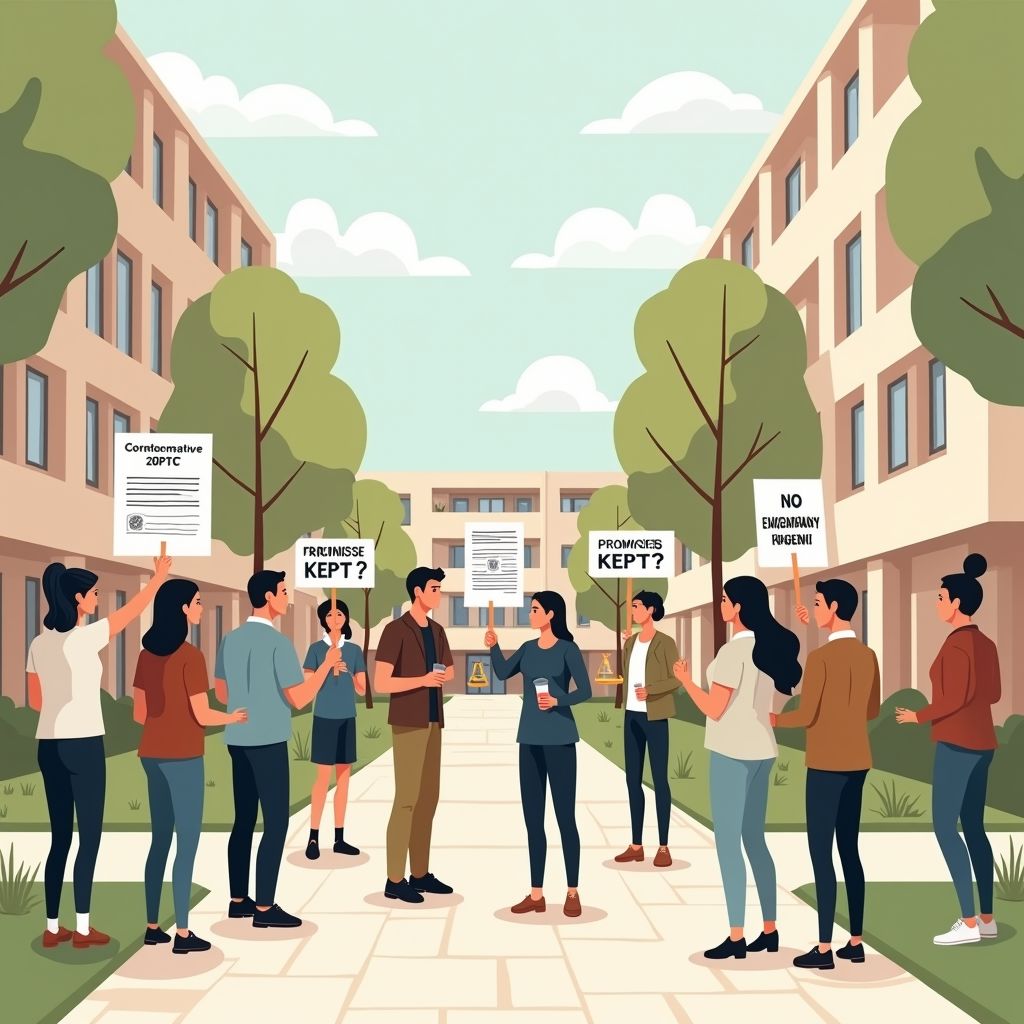
Why residents in Almere are fighting legally to uphold their old promises
Almere, vrijdag, 14 november 2025.
Residents of the Esplanade in Almere are engaged in a prolonged legal battle against the municipality, after their 2018 promise of 300 luxury apartments was replaced with a Windesheim university campus. The most astonishing development? In 2021, the plan was completely reversed without transparency, while the municipality claims the modification of the building permit was legally valid. Residents feel misled and are pressing ahead with their case until the ruling on 27 December, despite a chain of information denials and suspicions of manipulation. This struggle highlights how crucial transparent communication is in spatial planning—especially when trust between citizens and government has been broken.
Pourquoi les habitants d'Almere mènent un combat juridique pour leurs anciennes promesses
Almere, vrijdag, 14 november 2025.
Les habitants de l’Esplanade à Almere mènent un long combat juridique contre la commune, car leurs promesses d’implanter 300 appartements de luxe en 2018 ont été remplacées par un campus de l’université de Windesheim. Le fait le plus choquant ? En 2021, le projet a été entièrement repensé sans transparence, alors que la commune affirme que l’ajustement de la permis de construire était conforme à la loi. Les habitants se sentent trahis et poursuivent leur action jusqu’à la décision du 27 décembre, malgré une série de refus d’information et des soupçons de manipulation. Ce conflit met en lumière l’importance cruciale de la communication ouverte dans la planification urbaine — notamment lorsque la confiance entre citoyens et autorités a été rompue.
Waarom bewoners in Almere een juridisch gevecht voeren om hun oude beloften
Almere, vrijdag, 14 november 2025.
Bewoners van de Esplanade in Almere vechten een langdurig juridisch gevecht tegen de gemeente, omdat hun beloften over 300 luxe appartementen in 2018 zijn vervangen door een campus van hogeschool Windesheim. De meest verbijsterende ontwikkeling? In 2021 werd het plan zonder transparantie volledig omgegooid, terwijl de gemeente beweert dat de aanpassing van de bouwvergunning wettelijk was. De bewoners voelen zich belazerd en zetten door tot de uitspraak op 27 december, ondanks een ketting van weigeringen van informatie en verdenkingen van manipulatie. Deze strijd benadrukt hoe belangrijk open communicatie is bij ruimtelijke planning — vooral wanneer het vertrouwen tussen burger en overheid is verbroken.

Why AI Is Not a Deity – And What That Means for You
Madrid, donderdag, 13 november 2025.
Ana Lazcano, director of the University Institute of Artificial Intelligence at the Francisco de Vitoria University in Madrid, warned on 12 November 2025 that artificial intelligence is not an omnipotent force, but a tool with limitations and risks. The most troubling reality? AI has created a spectacular technological gap between teachers and students, rendering written assignments often meaningless. She emphasises that critical thinking, ethical principles, and positioning AI as a supplement—not a replacement—are essential. This perspective is not a technical assertion, but a call for human responsibility in an era of rapid change—and a reminder that our wisdom remains irreplaceable.
Pourquoi l'IA n'est pas une divinité – et ce que cela signifie pour vous
Madrid, donderdag, 13 november 2025.
Ana Lazcano, directrice de l’Institut universitaire d’intelligence artificielle de Madrid, a mis en garde le 12 novembre 2025 que l’intelligence artificielle n’est pas une force omnipotente, mais un outil aux limites bien définies. Le fait le plus inquiétant ? L’IA crée un fossé technologique spectaculaire entre les enseignants et les étudiants, rendant souvent les travaux écrits sans intérêt. Elle insiste sur l’importance de penser de manière critique, de placer l’éthique au cœur des enjeux et de considérer l’IA comme un complément, non comme un remplaçant. Cette vision n’est pas une déclaration technique, mais un appel à la responsabilité humaine dans une époque de changements rapides – et un rappel que notre sagesse reste inestimable.
Waarom AI geen godheid is – en wat dat betekent voor jou
Madrid, donderdag, 13 november 2025.
Ana Lazcano, directeur van het University Institute of Artificial Intelligence in Madrid, waarschuwde op 12 november 2025 dat kunstmatige intelligentie geen almachtige kracht is, maar een tool die beperkingen kent. Het meest verontrustende feit? AI creëert een spectaculaire technologische kloof tussen docenten en studenten, waardoor schriftelijk werk vaak geen zin meer heeft. Ze benadrukt dat het essentieel is om kritisch te denken, ethiek centraal te stellen en AI op haar plaats te zetten als aanvulling, niet als vervanger. Deze visie is geen technische uitspraak, maar een oproep tot menselijke verantwoordelijkheid in een tijd van snelle verandering – en een herinnering dat onze wijsheid nog altijd onvervangbaar is.
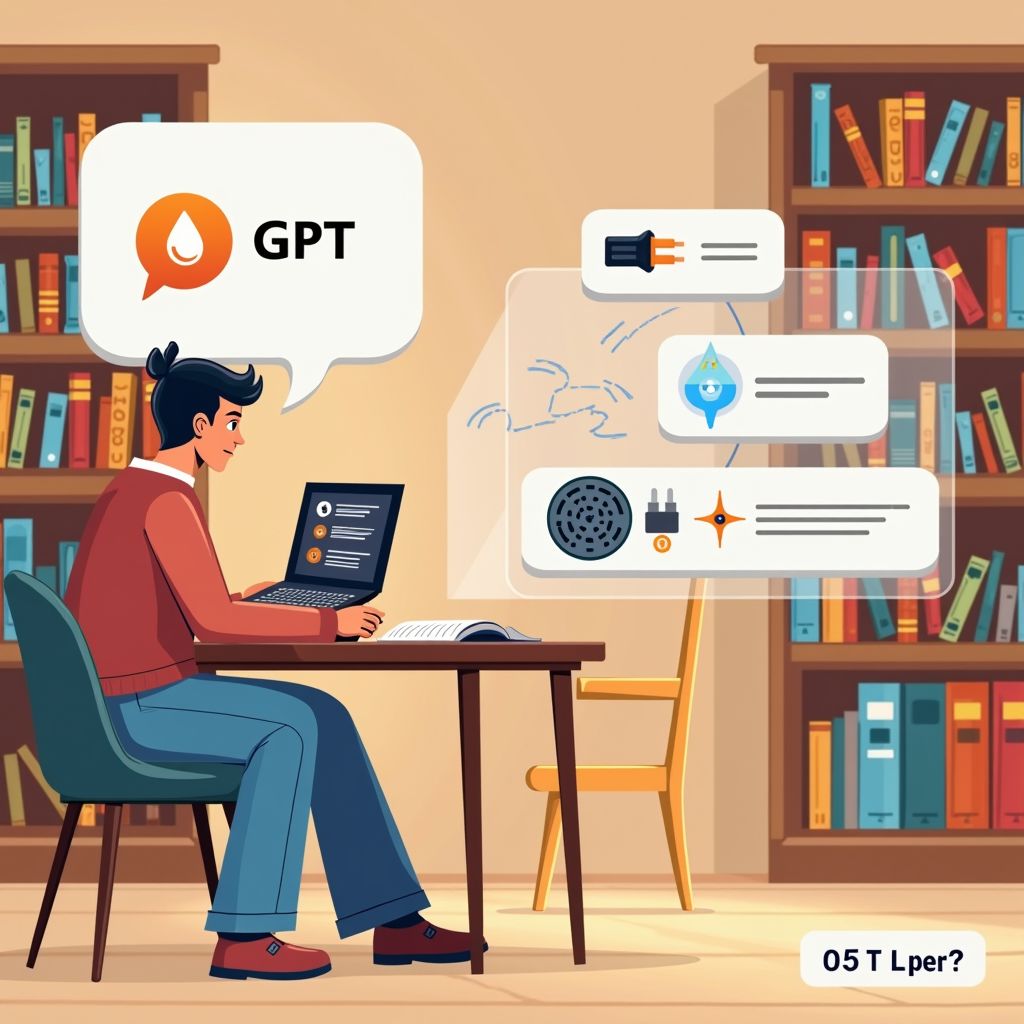
How much water and electricity does a chat with ChatGPT cost?
Hilversum, zaterdag, 8 november 2025.
EenVandaag highlights that the use of large language models in the Netherlands in 2025 not only consumes a lot of energy but also requires significant amounts of cooling and generation water. Research shows that a session of roughly 10–50 questions to ChatGPT can amount to about 0.5 litres of indirect water use — a fact that sharpens the public debate on digital sustainability. Experts explain that the water demand stems from datacentre cooling, electricity generation and chip production, and that the rapid growth of ICT has kept national energy consumption steady over the past ten years despite efficiency measures. For organisations such as news media, libraries and public information services, this raises questions about transparency from AI providers, responsible use and media literacy around environmental claims. The story discusses technical causes, societal costs and practical policy choices: from seeking more efficient models to communicating with users about the ecological impact of AI.
Combien d'eau et d'électricité coûte une conversation avec ChatGPT ?
Hilversum, zaterdag, 8 november 2025.
EenVandaag souligne que l’utilisation de grands modèles de langage aux Pays-Bas en 2025 demande non seulement beaucoup d’énergie mais aussi des quantités considérables d’eau de refroidissement et de production. Des recherches montrent qu’une session d’environ 10–50 questions à ChatGPT peut correspondre à environ 0,5 litre de consommation d’eau indirecte — un fait qui aiguise le débat public sur la durabilité numérique. Des experts expliquent que la demande en eau provient du refroidissement des centres de données, de la production d’électricité et de la fabrication de puces, et que la croissance rapide des TIC a maintenu la consommation nationale d’énergie au même niveau ces dix dernières années malgré des mesures d’économie. Pour des institutions comme les médias, les bibliothèques et les services d’information, cela soulève des questions sur la transparence des fournisseurs d’IA, l’utilisation responsable et l’alphabétisation médiatique concernant les revendications environnementales. L’article traite des causes techniques, des coûts sociétaux et des choix politiques pratiques : de la recherche de modèles plus économes à la communication avec les utilisateurs sur l’impact écologique de l’IA.
Hoeveel water en stroom kost een praatje met ChatGPT?
Hilversum, zaterdag, 8 november 2025.
EenVandaag belicht dat het gebruik van grote taalmodellen in Nederland in 2025 niet alleen veel energie verbruikt maar ook aanzienlijke hoeveelheden koel- en opwekkingswater vereist. Onderzoek laat zien dat een sessie van ongeveer 10–50 vragen aan ChatGPT kan neerkomen op zo’n 0,5 liter indirect waterverbruik — een feit dat de publieke discussie over digitale duurzaamheid scherp stelt. Experts leggen uit dat de watervraag voortkomt uit datacenterkoeling, elektriciteitsopwekking en chipproductie, en dat de snelle groei van ICT het landelijke energieverbruik afgelopen tien jaar op peil heeft gehouden ondanks besparingsmaatregelen. Voor instellingen als nieuwsmedia, bibliotheken en voorlichting roept dit vragen op over transparantie van AI-providers, verantwoord gebruik en mediageletterdheid rond milieuclaims. Het verhaal bespreekt technische oorzaken, maatschappelijke kosten en praktische beleidskeuzes: van zoeken naar zuinigere modellen tot communicatie met gebruikers over de ecologische impact van AI.
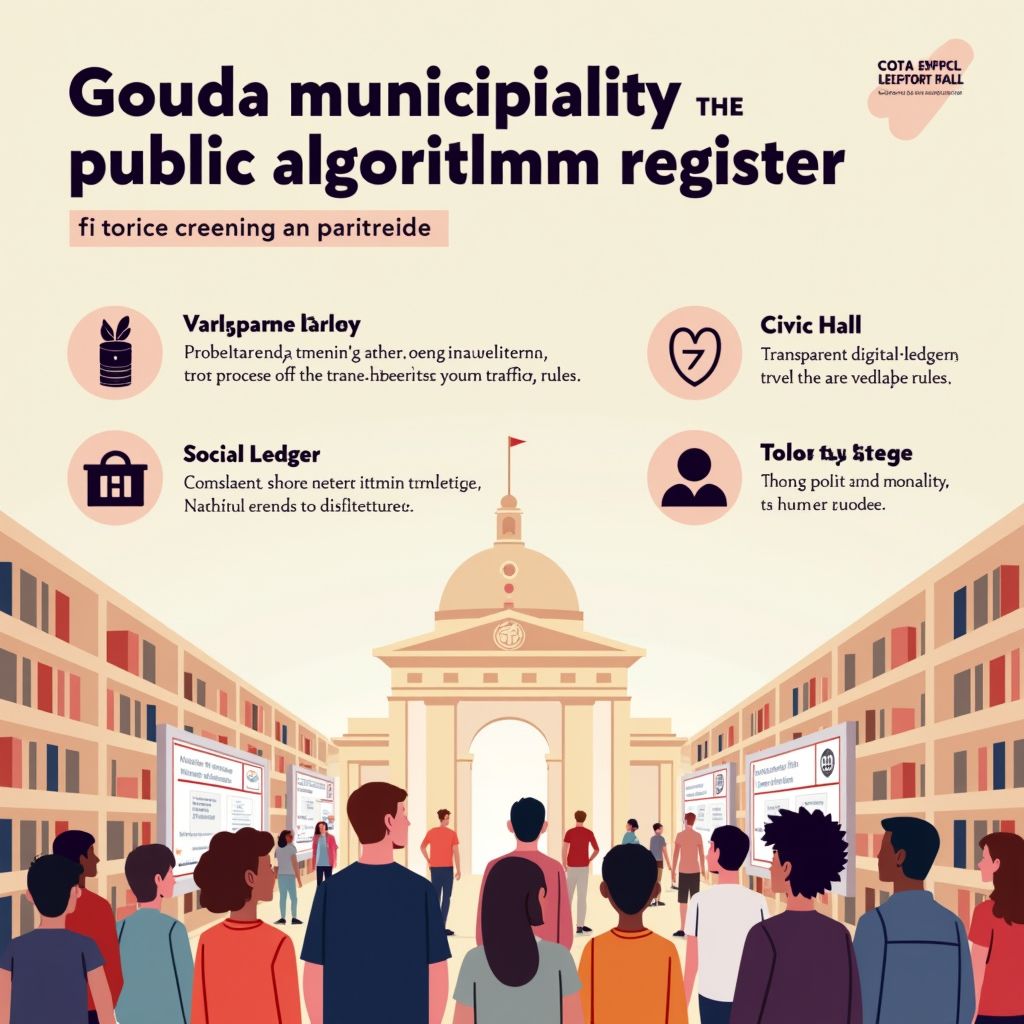
How Gouda is Driving AI Transparency in Government
Gouda, vrijdag, 7 november 2025.
Imagine being able to see exactly how the municipality of Gouda makes decisions about your taxes, social benefits, or traffic regulations — without any mystery. From 2026, this will become a reality: Gouda is introducing a public algorithm register, an online overview explaining all AI systems used by the municipality. Most people are unaware that algorithms are already making decisions about their daily lives — but now residents will gain insight into how and why these decisions are made. The decision followed a broad majority in the municipal council, supported by many parties including the CDA and GroenLinks. It is a pioneering initiative in the Netherlands, aimed at building trust, enabling control, and encouraging citizen participation. The most striking aspect? The municipality is moving ahead of national legislation — making technology visible, not hidden.
Comment Gouda lance la transparence de l'IA dans l'administration
Gouda, vrijdag, 7 november 2025.
Imaginez pouvoir observer exactement comment la ville de Gouda prend des décisions concernant votre impôt, vos allocations sociales ou la régulation du trafic — sans mystère. À compter de 2026, cette transparence deviendra réalité : Gouda introduit un registre public des algorithmes, un outil en ligne qui explique tous les systèmes d’intelligence artificielle utilisés par la ville. La majorité des citoyens ignore qu’actuellement des algorithmes prennent déjà des décisions cruciales dans leur vie quotidienne — mais désormais, les habitants auront un accès clair à la manière dont et pourquoi ces décisions sont prises. Ce choix a été adopté à une large majorité au conseil municipal, soutenu par plusieurs partis, dont le CDA et GroenLinks. Il s’agit d’une initiative pionnière aux Pays-Bas, axée sur la confiance, le contrôle et la participation citoyenne. Ce qui frappe le plus ? La ville anticipe la réglementation nationale, rendant la technologie visible, non plus secrète.
Hoe Gouda de AI-transparantie in de overheid op gang brengt
Gouda, vrijdag, 7 november 2025.
Stel je voor dat je precies kunt zien hoe de gemeente Gouda besluiten neemt over je belasting, sociale uitkering of verkeersregelingen — zonder dat het mysterieus is. Vanaf 2026 komt daar verandering in: Gouda introduceert een openbaar algoritmeregister, een online overzicht waarin alle AI-systemen van de gemeente worden uitgelegd. De meeste mensen weten niet dat algoritmen al besluiten nemen over hun dagelijks leven — maar nu krijgen inwoners inzicht in hoe en waarom. Het besluit volgde na een brede meerderheid in de raad, ondersteund door velen, inclusief CDA en GroenLinks. Het is een pioniersinitiatief in Nederland, gericht op vertrouwen, controle en burgerparticipatie. Het meest opvallende? De gemeente gaat vooruit op landelijke regelgeving — en maakt de technologie zichtbaar, niet geheim.