mediageletterdheid
How a children's book using AI teaches the truth about fake news
Amsterdam, maandag, 1 december 2025.
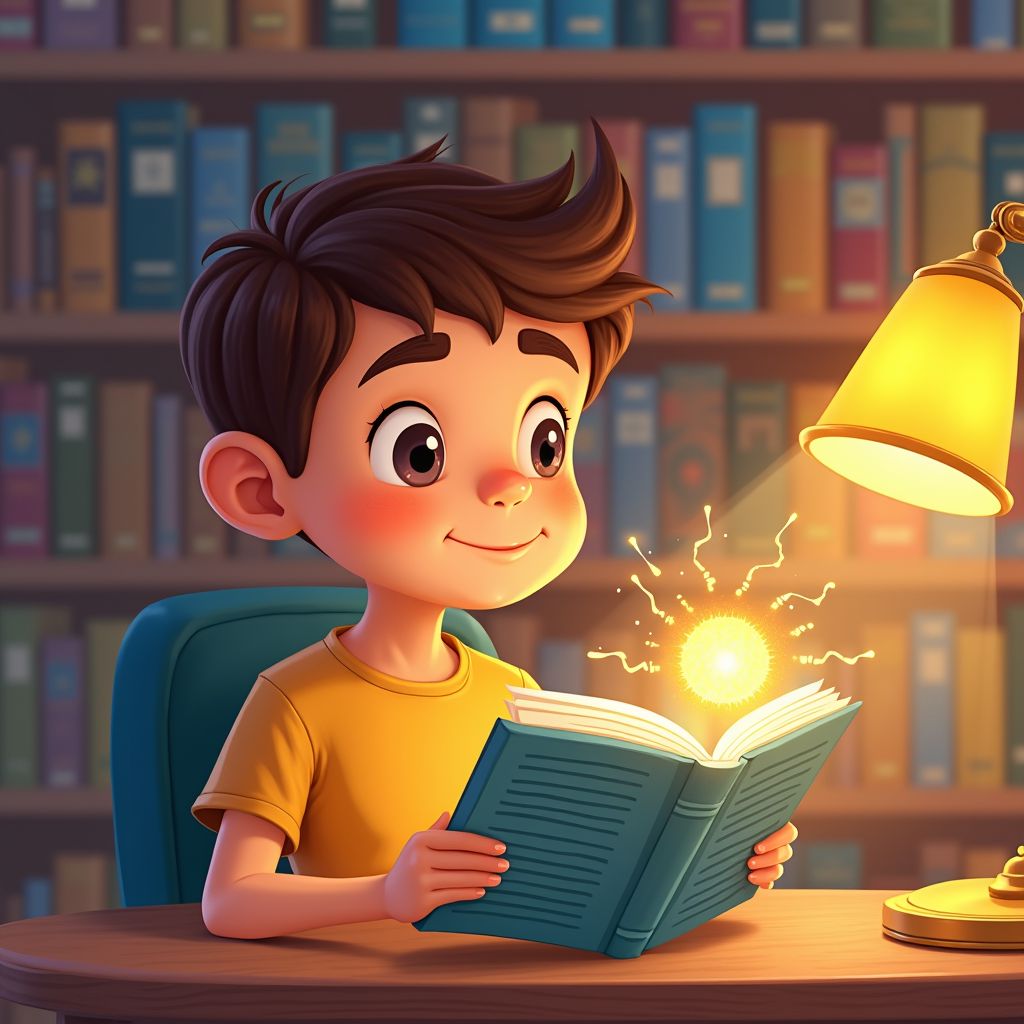
Imagine a boy in a story discovering an article about a second sun in the sky – and it seems completely real. That is precisely the challenge posed by the new AI-generated children’s book ‘Barts Boekje’ to young readers. Published on 25 November 2025, the book helps children from grade 5 onwards to become aware of fake news, misleading AI-generated content, and manipulation in the digital world. What is remarkable is that most children today no longer recognize how information is fabricated – but this book makes learning about it playful, using stories and humour. It is one of the first educational projects to use AI as an integral part of the learning process, without losing sight of critical thinking. And it works: the book is already being used in 450 schools, with a surprising result: many students now pause to consider the source of a message before believing it.
Comment un livre pour enfants avec l'IA enseigne la vérité sur les fausses nouvelles
Amsterdam, maandag, 1 december 2025.
Imaginez un jeune garçon qui découvre dans une histoire un article sur une deuxième étoile dans le ciel – et qui semble tout à fait crédible. C’est précisément le défi que le nouvel ouvrage pour enfants généré par l’IA, « Le Carnet de Barts », pose aux jeunes lecteurs. Publié le 25 novembre 2025, ce livre aide les enfants à partir de la 5e année à ouvrir les yeux sur les fausses nouvelles, le contenu trompeur généré par l’IA et la manipulation dans le monde numérique. Ce qui est remarquable : la majorité des enfants ne reconnaissent plus aujourd’hui comment l’information est fabriquée – mais ce livre rend cela ludique, grâce à des récits et de l’humour. Il s’agit l’un des premiers projets éducatifs où l’IA est intégrée comme élément du processus d’apprentissage, sans jamais oublier l’essence du raisonnement critique. Et cela fonctionne : déjà utilisé dans 450 écoles, il produit un résultat surprenant : beaucoup d’élèves réfléchissent désormais à la source d’un message avant de le croire.
Hoe een kinderboek met AI de waarheid over nepnieuws leert
Amsterdam, maandag, 1 december 2025.
Stel je voor dat een jongen in een verhaal een artikel vindt over een tweede zon in de hemel – en dat het echt lijkt. Dat is precies de uitdaging die het nieuwe AI-gegenereerde kinderboek ‘Barts Boekje’ aan jonge lezers stelt. Gepubliceerd op 25 november 2025, helpt het boek kinderen vanaf groep 5 hun ogen open te doen voor nepnieuws, misleidende AI-inhoud en manipulatie in de digitale wereld. Wat ongelooflijk is: de meeste kinderen herkennen vandaag al niet meer hoe informatie wordt gefabriceerd – maar dit boek maakt het speels, met verhalen en humor. Het is een van de eerste educatieve projecten waarbij AI zelf als onderdeel van het leerproces wordt ingezet, zonder dat de kern van kritisch denken wordt vergeten. En het werkt: in 450 scholen wordt het al gebruikt, met een verrassend resultaat: veel leerlingen denken na over de bron van een bericht voordat ze het geloven.

Can You Still Tell What’s Real? This Is the Uncomfortable Truth About AI Images in the Netherlands
Nederland, dinsdag, 18 november 2025.
Do images on social media sometimes feel off? It’s not your imagination: 71% of Dutch people can no longer tell the difference between a genuine photograph and a fully AI-generated image. Even more concerning? 81% of AI-generated images were judged as real. This points to a profound shift in how we trust information—and why media literacy is now essential citizenship. In an era where AI surrounds us daily, this demands not only new skills but also transparency in how images are created and shared. What does this mean for your trust in what you see?
Peux-tu encore distinguer le réel du faux ? Voici la vérité gênante sur les images générées par l'IA en Hollande
Nederland, dinsdag, 18 november 2025.
T’as déjà eu l’impression que certaines images sur les réseaux sociaux te paraissaient étranges ? Ce n’est pas une impression : 71 % des Hollandais ne parviennent plus à faire la différence entre une vraie photo et une image entièrement générée par une intelligence artificielle. Ce qui est le plus inquiétant ? 81 % des images générées par l’IA ont été jugées authentiques. Cela révèle un changement profond dans la manière dont nous accordons notre confiance aux informations — et pourquoi l’éducation médiatique est devenue une compétence essentielle de citoyenneté. À une époque où l’IA nous entoure au quotidien, cela ne demande pas seulement de nouvelles compétences, mais aussi une transparence accrue dans la création et la diffusion des images. Que signifie tout cela pour ta confiance dans ce que tu vois ?
Kun je nog zien wat echt is? Dit is de ongemakkelijke waarheid over AI-beelden in Nederland
Nederland, dinsdag, 18 november 2025.
Laat je afbeeldingen op social media soms vreemd voelen? Het is geen misvatting: 71% van de Nederlanders kan geen verschil meer maken tussen een echte foto en een volledig door AI gegenereerde afbeelding. Het meest verontrustende? Van alle AI-beelden werd 81% als echt beoordeeld. Dit wijst op een diepe verandering in hoe we informatie vertrouwen — en waarom mediawijsheid nu essentiële burgerschap is. In een tijd waarin AI ons dagelijks omringt, vraagt dit niet alleen om nieuwe vaardigheden, maar ook om transparantie in de manier waarop beelden worden gemaakt en verspreid. Wat betekent dit voor jouw vertrouwen in wat je ziet?
Teachers develop teaching materials on deepfakes and deepnudes
amsterdam, vrijdag, 31 oktober 2025.
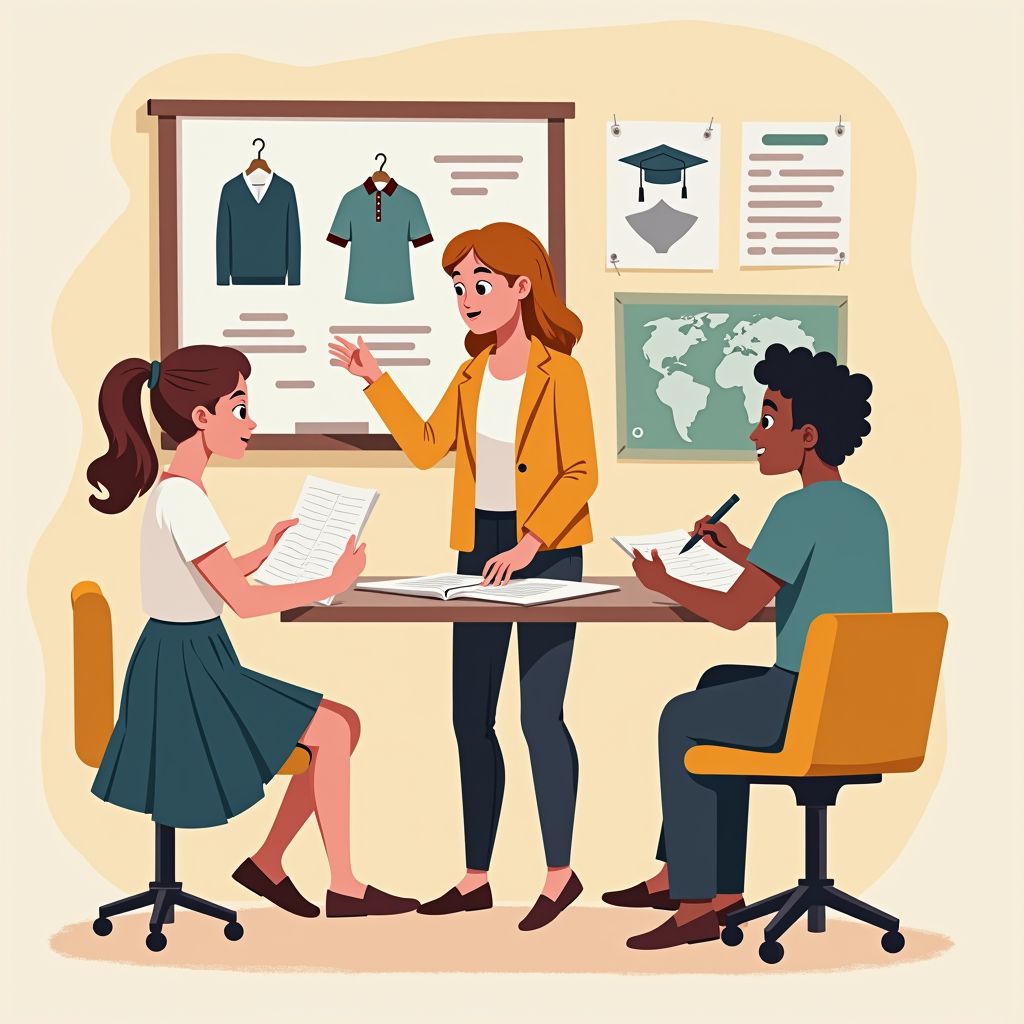
Teachers and organisations have developed new teaching materials to raise pupils’ awareness of deepfakes and deepnudes. The material discusses the figures, legality and consequences of this technology, aiming to strengthen media literacy. A listening exercise with questions illustrates the impact of deepnudes using the campaign ‘The Unwearable Wardrobe’.
Des enseignants élaborent du matériel pédagogique sur les deepfakes et les deepnudes
amsterdam, vrijdag, 31 oktober 2025.
Des enseignants et des organisations ont créé un nouveau matériel pédagogique pour sensibiliser les élèves aux deepfakes et aux deepnudes. Le matériel aborde les chiffres, la légalité et les conséquences de cette technologie, dans le but de renforcer la littératie médiatique. Une activité d’écoute accompagnée de questions illustre l’impact des deepnudes à travers la campagne « The Unwearable Wardrobe ».
Leraren ontwikkelen lesmateriaal over deepfakes en deepnudes
amsterdam, vrijdag, 31 oktober 2025.
Leraren en organisaties hebben nieuw lesmateriaal ontwikkeld om leerlingen bewust te maken van deepfakes en deepnudes. Het materiaal bespreekt de cijfers, legaliteit en gevolgen van deze technologie, met als doel de mediageletterdheid te versterken. Een luisteropdracht met vragen illustreert de impact van deepnudes aan de hand van de campagne ‘The Unwearable Wardrobe’.

The Klokhuis Explains: What is Artificial Intelligence?
amsterdam, donderdag, 14 augustus 2025.
The popular children’s programme The Klokhuis has aired an episode that explains the concept of artificial intelligence (AI) in an accessible way for young people. The broadcast discusses applications of AI in daily life, such as chatbots, voice recognition, and photo searching. An intriguing detail: AI can sometimes make incorrect decisions, such as mistaking a husky for a wolf, which shows how important good training is for AI systems.