deepfakes
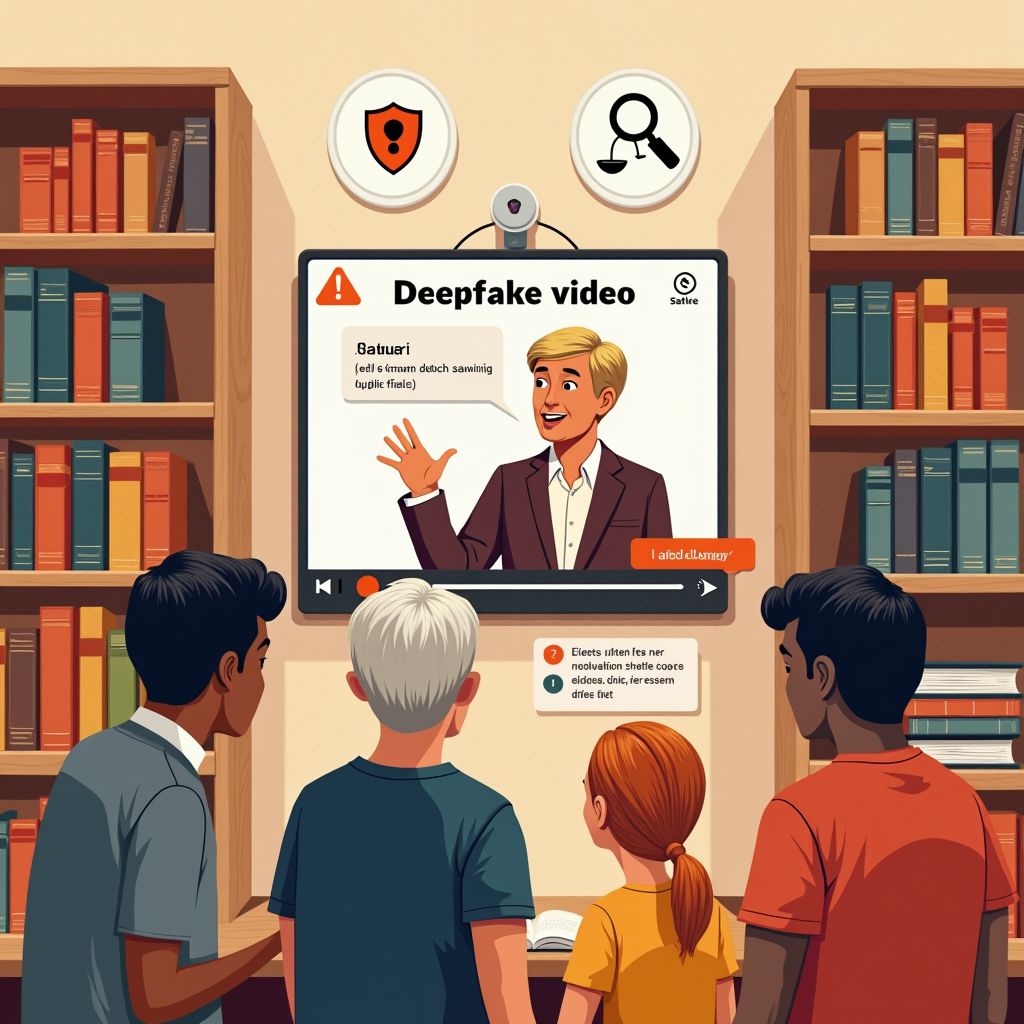
When an image no longer matches reality: what the Netherlands is doing about deepfakes
Den Haag, donderdag, 4 december 2025.
Imagine a video in which a well-known person says something they never actually said. In the Netherlands, such content will become a criminal offence by 2025 – provided it is deliberately created and disseminated. The proposed legislation, currently open for consultation, aims to protect individuals from digital manipulations that could damage their reputation, privacy, and self-image. Notably, the law does not only safeguard artists, but also ordinary people and their deceased relatives. Penalties could include up to six months in prison, though exceptions exist for satire and parody – as long as these are clearly indicated. The proposed framework seeks to build trust in information, yet still leaves questions open about how boundaries will be drawn in practice. This represents a significant step in the fight against fake news and misleading content in the digital age.
Quand une image ne correspond plus à la réalité : ce que les Pays-Bas font contre les falsifications profondes
Den Haag, donderdag, 4 december 2025.
Imaginez une vidéo où une personnalité connue dit quelque chose qu’elle n’a jamais dit. Aux Pays-Bas, cela deviendra passible de sanctions en 2025, à condition qu’il s’agisse d’une création volontaire et d’une diffusion intentionnelle. Le projet de loi, actuellement en consultation, vise à protéger les individus contre les falsifications numériques qui pourraient nuire à leur réputation, à leur vie privée ou à leur image de soi. Ce qui est particulier, c’est que la loi ne protège pas seulement les artistes, mais aussi les citoyens ordinaires et leurs proches décédés. La sanction peut aller jusqu’à six mois de prison, mais des exceptions existent pour la satire et la parodie, à condition qu’elles soient clairement indiquées. Le cadre proposé vise à renforcer la confiance dans l’information, tout en laissant ouvertes certaines questions sur la manière dont les frontières seront tracées en pratique. Il s’agit d’une étape importante dans la lutte contre les fausses nouvelles et les contenus trompeurs dans l’espace numérique.
Wanneer een beeld niet meer klopt: wat Nederland doet aan diepe vervalsingen
Den Haag, donderdag, 4 december 2025.
Stel je voor: een video waarin een bekende persoon iets zegt wat hij nooit heeft gezegd. In Nederland wordt dit in 2025 strafbaar – als het opzettelijk is gemaakt en verspreid. Het wetsvoorstel, nu in consultatie, richt zich op het beschermen van mensen tegen digitale vervalsingen die hun reputatie, privacy en zelfbeeld kunnen beschadigen. Bijzonder is dat de wet niet alleen artiesten beschermt, maar ook gewone mensen en hun nabestaanden. De straf kan tot half jaar gevangenis zijn, maar er zijn uitzonderingen voor satire en parodie – mits duidelijk aangegeven. Het voorgestelde kader streeft naar vertrouwen in informatie, maar houdt nog vragen open over hoe grenzen worden getrokken in de praktijk. Dit is een belangrijke stap in de strijd tegen nepnieuws en misleidende content in de digitale wereld.
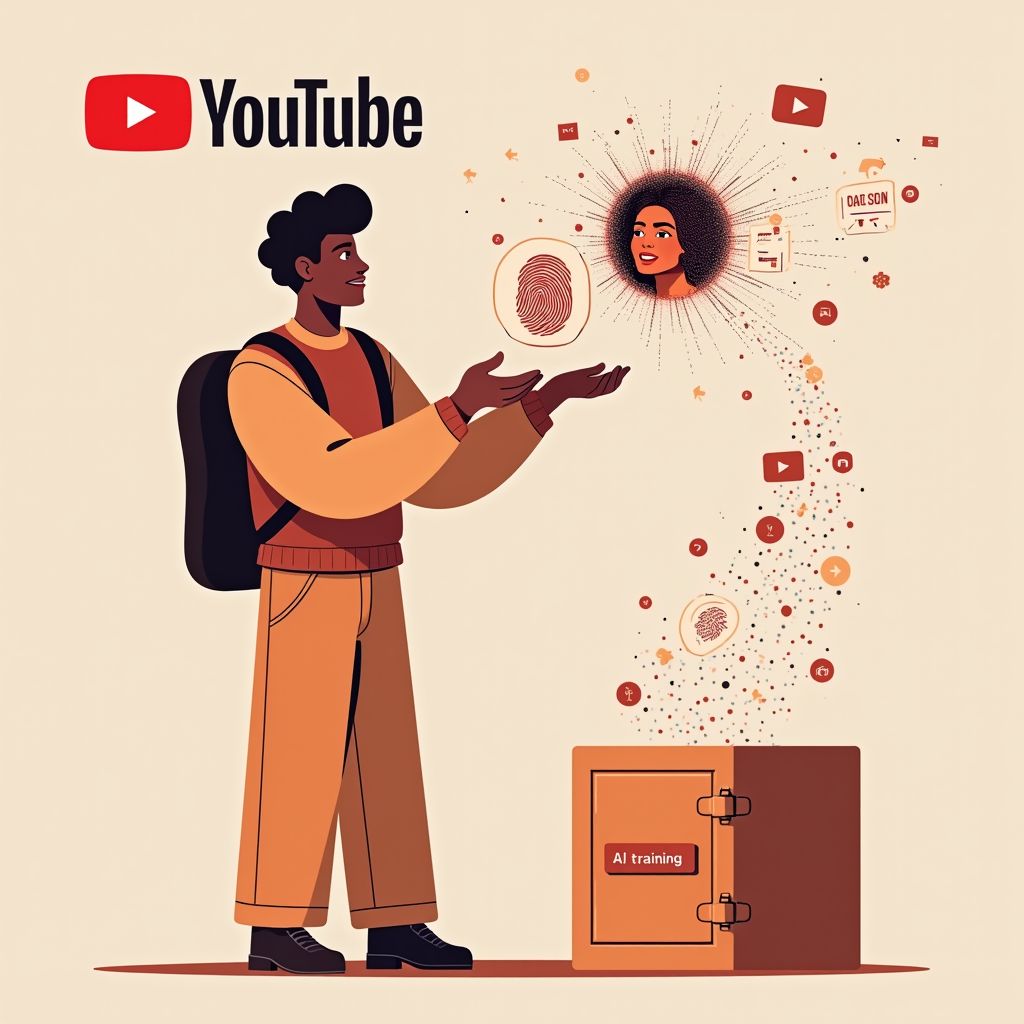
Why your photo of your face might no longer be entirely your own
Amsterdam, donderdag, 4 december 2025.
YouTube has launched a new tool to detect deepfakes, but there’s a significant twist: to protect your digital image, you must provide biometric data. The most alarming fact? Experts warn that Google could use this data to train its AI models, despite YouTube’s assurances that the information will only be used for identity verification. For creators who already view their likeness as a valuable asset in the AI era, this represents a risk they may never recover from. The tool will be rolled out to millions of creators by the end of January 2026—but the question remains: is security truly worth paying with control over your own image?
Pourquoi votre photo de visage pourrait ne plus être entièrement votre propriété
Amsterdam, donderdag, 4 december 2025.
YouTube lance un nouvel outil de détection des deepfakes, mais une torsion majeure s’invite dans le processus : pour protéger votre image de marque, vous devez fournir des données biométriques. Le fait le plus inquiétant ? Selon les experts, Google pourrait utiliser ces données pour entraîner ses modèles d’IA, malgré les promesses de YouTube selon lesquelles les données ne seraient utilisées que pour la vérification d’identité. Pour les créateurs qui considèrent déjà leur visage comme un actif précieux dans l’ère de l’IA, il s’agit d’un risque qu’ils ne pourraient jamais récupérer. L’outil sera déployé à des millions de créateurs à la fin janvier 2026 – mais la question persiste : la sécurité vaut-elle vraiment le prix de la perte de contrôle sur votre propre image ?
Waarom je foto van je gezicht misschien niet meer helemaal jouw eigen is
Amsterdam, donderdag, 4 december 2025.
YouTube lanceert een nieuwe tool om deepfakes te herkennen, maar er zit een ingrijpende twist in: om je imago te beschermen, moet je biometrische gegevens verstrekken. Het meest verontrustende feit? Volgens experts kan Google die gegevens gebruiken om zijn AI-modellen te trainen, ondanks de beloften van YouTube dat de data alleen voor identiteitsverificatie wordt gebruikt. Voor makers die hun gezicht al als waardevol bezit beschouwen in de AI-epoch, is het een risico dat ze nooit meer terugkrijgen. De tool wordt eind januari 2026 uitgerold naar miljoenen creators – maar de vraag blijft: is veiligheid echt te betalen met controle over je eigen beeld?
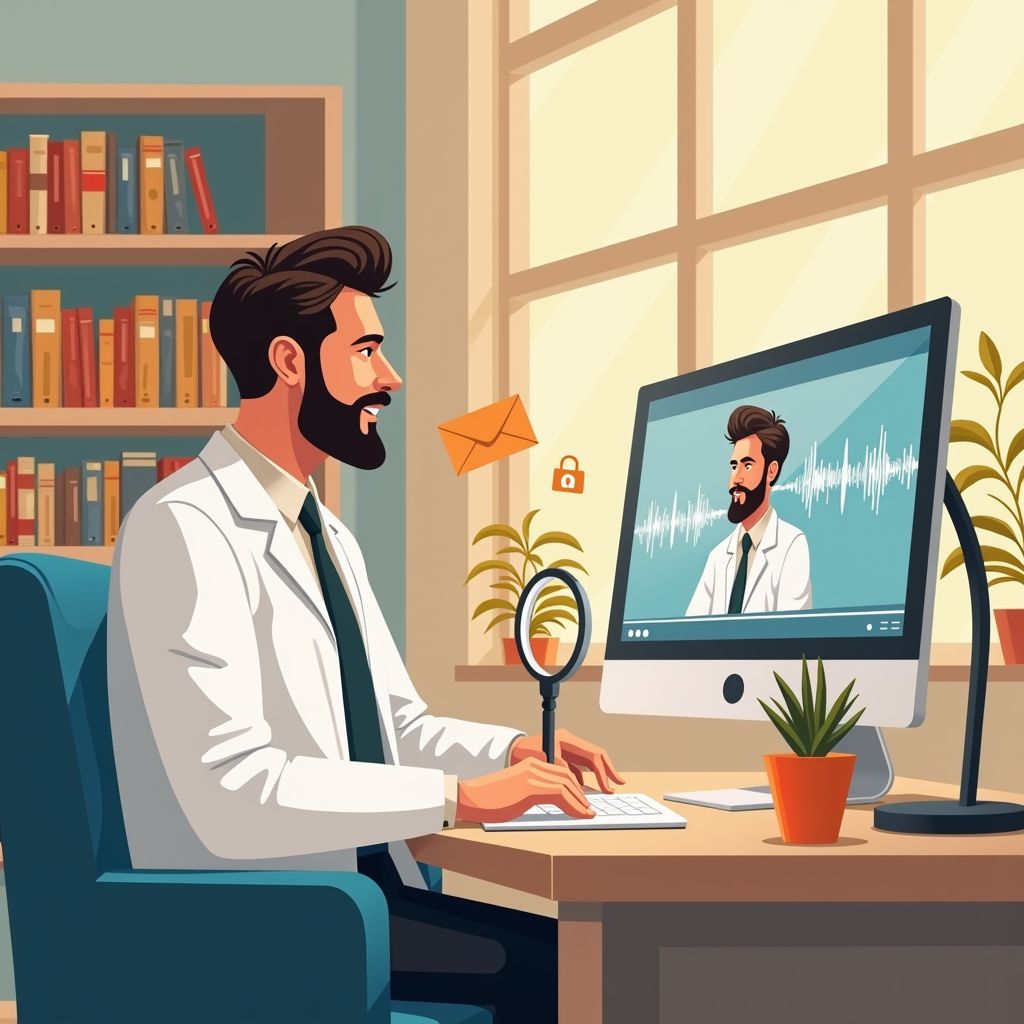
How an AI voice can undermine your reputation – and what's happening now
Amsterdam, woensdag, 3 december 2025.
Imagine a video of a well-known scientist claiming that a major research project is being scrapped, despite never having said such a thing. This happened last week in the Netherlands – and it was no accident. A theft of original material via a phishing email led to a highly sophisticated deepfake that was viewed over 12,000 times. What is alarming is that even digital forensics experts found it difficult to detect the manipulation. These incidents demonstrate that AI-driven deception is no longer a distant future scenario but a real threat to scientific integrity and public trust. The complaint filed by scientists Erik Scherder and Diederik Gommers is a clear warning: we must learn to identify what is real faster – before the truth vanishes into the digital noise.
Comment une voix générée par IA peut compromise votre réputation – et ce qui se passe maintenant
Amsterdam, woensdag, 3 december 2025.
Imaginez : une vidéo d’un scientifique célèbre affirmant qu’un projet de recherche majeur est annulé, alors qu’il n’a jamais dit cela. C’est exactement ce qui s’est produit la semaine dernière aux Pays-Bas – et ce n’était pas un accident. Un vol de matériel original via un courrier électronique de phishing a conduit à une deepfake soigneusement fabriquée, vue plus de 12 000 fois. Ce qui est inquiétant : même des experts en forensic numériques ont eu du mal à détecter la manipulation. Ces incidents montrent que la désinformation basée sur l’IA n’est plus un scénario futuriste, mais une menace réelle pour l’intégrité scientifique et la confiance du public. La déclaration des scientifiques Erik Scherder et Diederik Gommers constitue un avertissement clair : nous devons apprendre plus rapidement à distinguer le vrai du faux – avant que la vérité ne disparaisse dans le bruit numérique.
Hoe een AI-voice je reputatie kan ondermijnen – en wat er nu gebeurt
Amsterdam, woensdag, 3 december 2025.
Stel je voor: een video van een bekende wetenschapper die beweert dat een belangrijk onderzoeksproject wordt afgeblazen, terwijl hij dat nooit heeft gezegd. Dat gebeurde vorige week in Nederland – en het was geen ongeluk. Een diefstal van origineel materiaal via een phishing-e-mail leidde tot een diepgeklopte deepfake die meer dan 12.000 keer werd bekeken. Wat verontrustend is: zelfs digitale forensisch experts vonden de manipulatie moeilijk te herkennen. Deze incidenten tonen aan dat AI-gebaseerde misleiding niet langer een toekomstbeeld is, maar een reële bedreiging voor wetenschappelijke integriteit en publieke vertrouwen. De aangifte van wetenschappers Erik Scherder en Diederik Gommers is een duidelijke waarschuwing: we moeten sneller leren herkennen wat echt is – voordat de waarheid verdwijnt in de digitale herrie.

How a simple video scan can save trust in news
Amsterdam, dinsdag, 2 december 2025.
Imagine watching a video online that isn’t real — but a creation made by AI. Reality Defender has launched RealScan, a tool that detects whether an image, video, or audio has been manipulated in seconds. Its most striking feature? It can identify unnatural eye movements or vocal anomalies, enabling a photo of three people to be flagged as fake with 93% probability. Designed for journalists, governments, and media organisations, RealScan helps identify false content during sensitive moments, such as elections. The tool is accessible via a web interface and delivers clear, legally usable reports. In an era where AI-generated fake content is rapidly growing, RealScan offers an essential means of protecting truth — without requiring technical expertise.