Professor Lambèr Royakkers Discusses Ethical Aspects of AI at Veldhoven Library
veldhoven, woensdag, 22 oktober 2025.
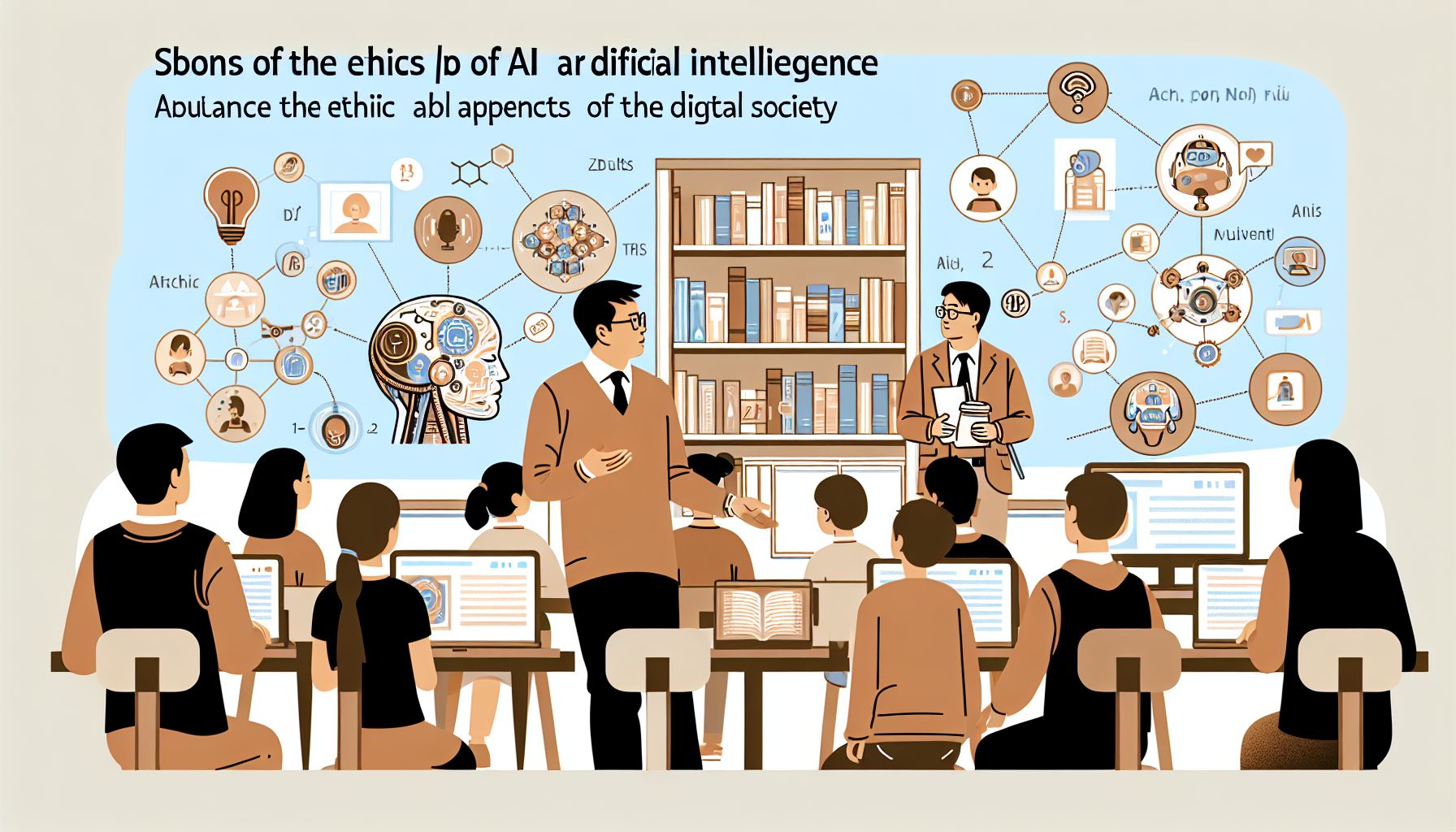
On 22 November, Professor Lambèr Royakkers will give a lecture at the Veldhoven Library on artificial intelligence (AI). Royakkers, who specialises in the ethics of the digital society, will explore the impact of AI on our lives and future possibilities. With practical examples and room for interaction, the lecture promises to make both technical and ethical aspects of AI accessible to a broad audience, including students, adults, and seniors.
AI in Modern Public Information and Communication
Artificial intelligence (AI) is playing an increasingly significant role in how information is disseminated and understood. From personalised information provision to chatbots for public services, AI offers new opportunities to make complex information accessible to diverse audiences. Professor Lambèr Royakkers, who specialises in the ethics of the digital society at TU/e, will delve deeper into these topics during his lecture at the Veldhoven Library on 22 November [1].
Personalised Information Provision
One of the most notable applications of AI in public information is personalised information provision. Platforms such as Netflix and Spotify use AI algorithms to suggest content that aligns with individual user preferences. In the educational domain, AI systems can tailor learning paths to the skills and learning styles of students, making learning more efficient and effective. This personalisation helps reach various target groups and improves information transfer [GPT].
Chatbots for Public Services
Chatbots are another important application of AI in the public sector. They are used to answer questions, provide information, and handle tasks such as scheduling appointments or filling out forms. Municipalities and government agencies are increasingly using chatbots to improve service delivery and reduce the workload on human staff. For example, the City of Amsterdam has introduced a chatbot that assists citizens in applying for permits and reporting issues [2].
AI-Driven Public Information Campaigns
AI can also be used to optimise public information campaigns. Through data analysis and machine learning, campaigns can be made more targeted, and their effectiveness can be measured and improved. For instance, health organisations use AI to segment target groups and send targeted messages. This results in higher participation and better outcomes. An example of this is the RIVM campaign to help smokers quit, where AI was used to provide personal feedback and motivation [GPT].
Benefits and Challenges
While AI offers many benefits, there are also challenges and concerns. Privacy is a key issue. The use of personal data by AI systems must be carefully managed to prevent misuse. Inclusivity is another important aspect. AI systems must be accessible to everyone, regardless of age, language proficiency, or technical skill. Reliability is also crucial. AI systems must operate transparently, and their decisions must be accountable. Professor Royakkers emphasises the need for ethical guidelines and regulation to address these challenges [1][2].
Practical Examples of Successful AI Applications
There are already several successful examples of AI applications in public information. In healthcare, AI helps detect diseases at early stages, making treatments more effective. In education, AI tools are used to improve learning process analysis and provide more targeted guidance to students. In the public sector, chatbots are employed to assist citizens more quickly and efficiently. These examples demonstrate how AI can contribute to a better and more accessible society [GPT].