Bart Ensink Discusses AI at ZINiN Library Hellendoorn
hellendoorn, dinsdag, 14 oktober 2025.
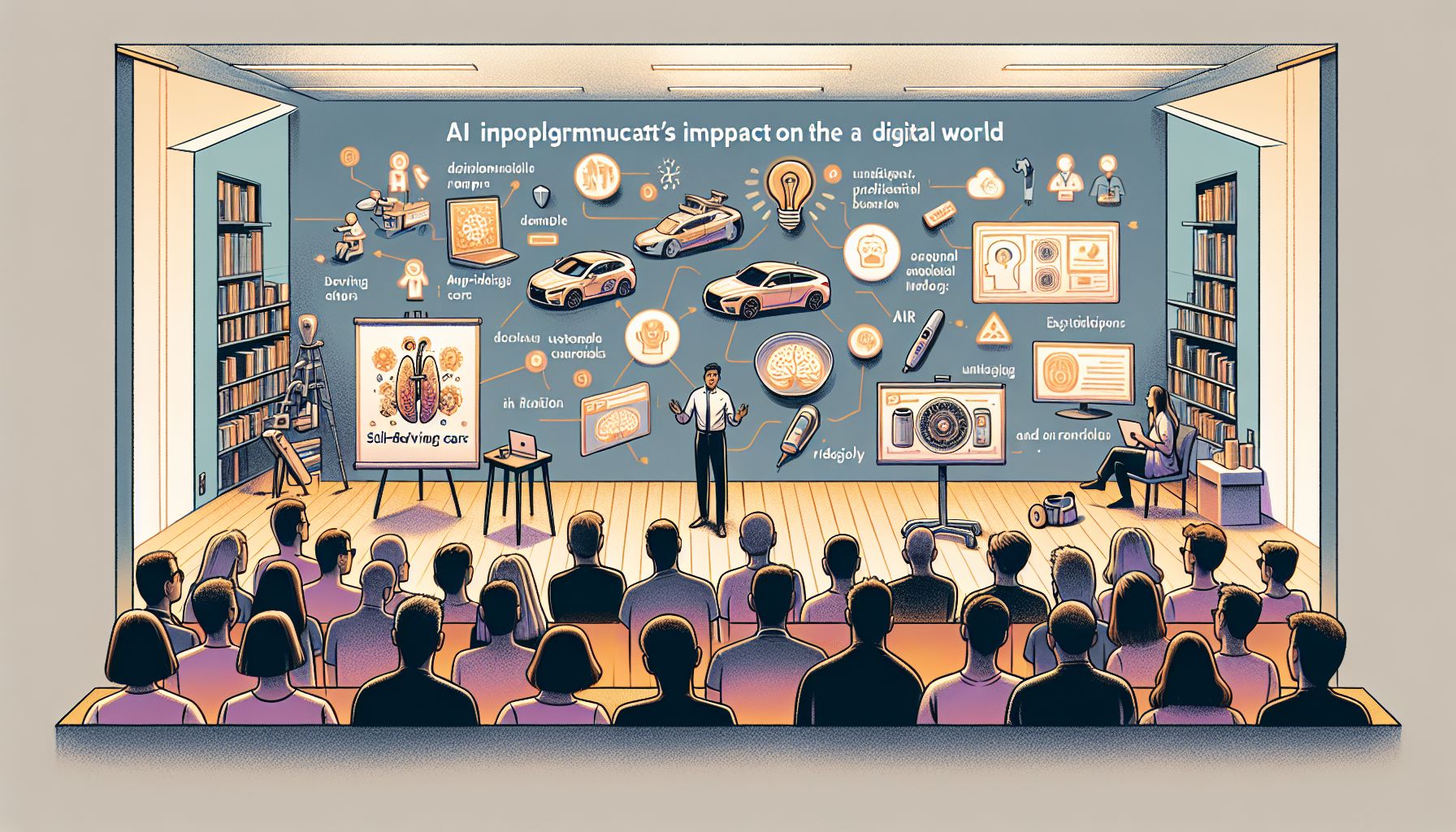
Last Wednesday, digital expert Bart Ensink gave a lecture at the ZINiN Library in Hellendoorn on the impact of AI on the digital world. Using examples such as self-driving cars and AI for X-rays, Ensink explained how AI is already shaping our daily lives and how libraries can respond to these changes. The lecture, aimed at both professionals and interested citizens, was followed by a Q&A session.
Bart Ensink Discusses AI at ZINiN Library Hellendoorn
Last Wednesday, digital expert Bart Ensink gave a lecture at the ZINiN Library in Hellendoorn on the impact of AI on the digital world. Using examples such as self-driving cars and AI for X-rays, Ensink explained how AI is already shaping our daily lives and how libraries can respond to these changes. The lecture, aimed at both professionals and interested citizens, was followed by a Q&A session [1].
Applications of AI in Modern Libraries
Modern libraries are increasingly using AI technology to enhance their services. One of the most significant applications is the AI-driven search system, which helps users find the information they need more quickly and efficiently. These systems can process complex search queries and return relevant results, significantly improving the user experience [2].
Personal Recommendations and Automatic Cataloguing
In addition to advanced search systems, modern libraries also offer personal recommendations. AI analyses users’ reading history and preferences to suggest books and articles that match their interests. This makes it easier for users to discover new and interesting content. Furthermore, AI aids in the automatic cataloguing of new additions to the collection, significantly increasing the library’s efficiency [3].
Digital Assistants and Virtual Library Staff
A notable application of AI in libraries is the introduction of digital assistants. These virtual staff members can help users navigate the library, answer questions about book availability, and even handle reservations. By using these digital tools, physical staff can focus on more complex tasks and personal interactions, thereby enhancing the quality of service [4].
Impact on Information Literacy and Democratisation of Knowledge
The integration of AI in libraries contributes to improving information literacy. Users learn how to effectively and critically engage with information, which is crucial in an era where fake news and misinformation pose significant challenges. Additionally, AI tools democratise access to knowledge, providing more people with the opportunity to learn and grow, regardless of their background or location [5].
Challenges and Privacy Concerns
While AI offers many benefits, it also presents challenges. One of the biggest concerns is privacy. The collection and analysis of user data for personal recommendations must be carefully regulated to protect user privacy. Moreover, libraries must ensure that AI applications are accessible to everyone, including those with disabilities, to maintain inclusivity [6].
Changing Role of Library Staff
The introduction of AI is also changing the role of library staff. While some tasks are being taken over by digital systems, staff are increasingly being deployed for more complex and human-centred activities. They must develop new skills to effectively collaborate with AI tools and continue to meet users’ needs in a rapidly evolving digital world [7].
Examples of Innovative Libraries
Several libraries have already made groundbreaking strides in integrating AI. For example, the ZINiN Library in Nijverdal provides members with access to over 150 online courses through platforms like Soofos and SkillsTown, where they can learn about AI skills and other digital competencies [8]. Additionally, the library regularly organises workshops and lectures, such as the one by Bart Ensink, to inform the community about the latest developments in the digital world [1].
Expert Views on the Future of AI in Libraries
Experts like Bart Ensink emphasise that the role of AI in libraries will only grow. They envision a future where AI not only assists with daily operations but also creates personalised learning experiences and improves information accessibility. According to Ensink, it is crucial that libraries continue to invest in digital innovation and that professionals keep developing to address these changes [1][9].