Ethical boundaries of AI in Dutch defence: A complex debate
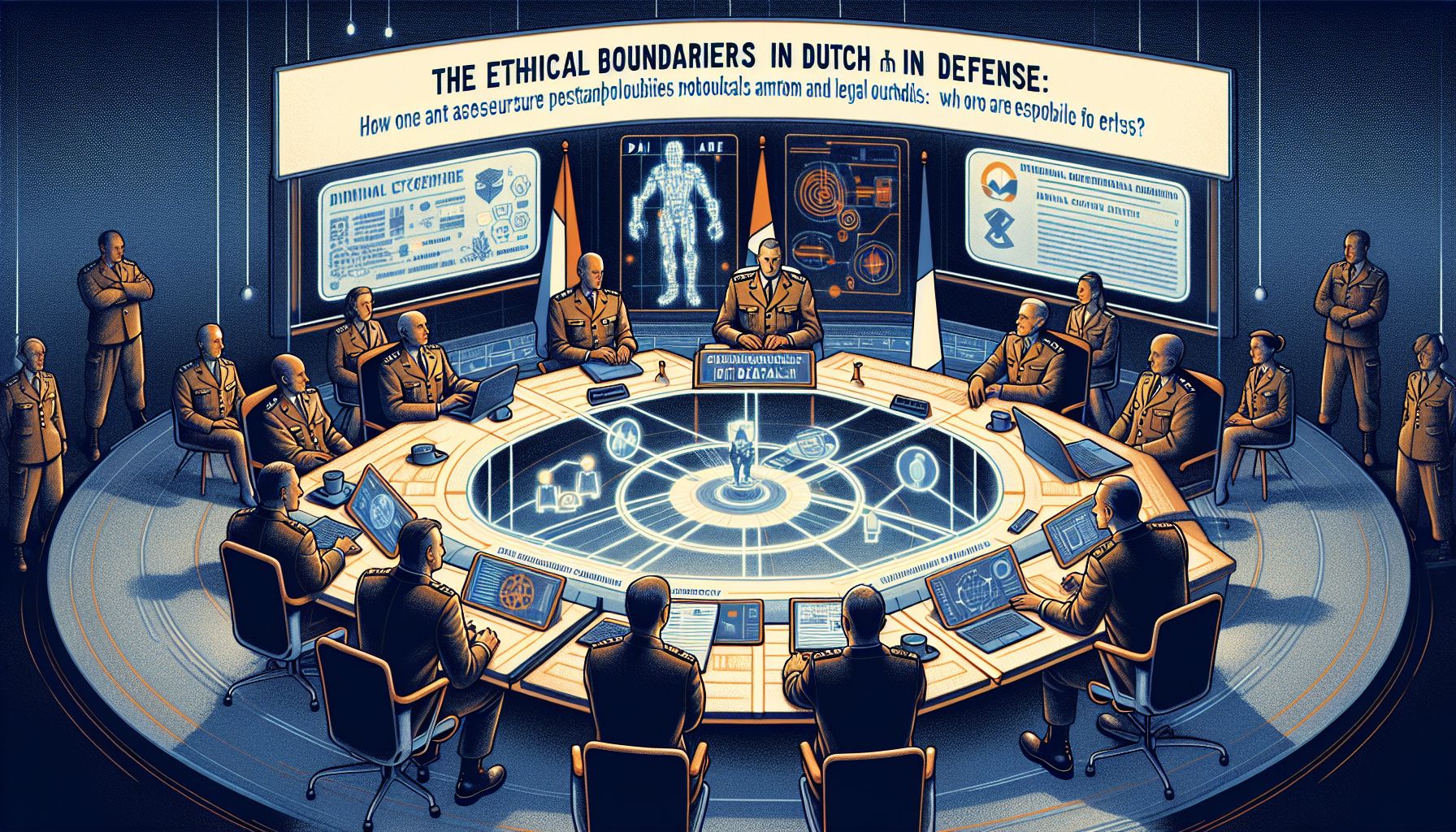
amsterdam, zondag, 26 oktober 2025.
In the Netherlands there is an active debate about the ethical boundaries of autonomous weapon systems in defence. While AI offers new possibilities, these technological advances also raise fundamental questions. Experts and politicians are examining how moral and legal boundaries can be established and who is responsible when errors occur. Minister Piet Kuijpers has appointed a commission that must produce a report with recommendations within six months. This discussion forms a crucial part of the future of military operations and international cooperation in the field of AI regulation.
Ethical boundaries of AI in Dutch defence: A complex debate
In the Netherlands there is an active debate about the ethical boundaries of autonomous weapon systems in defence. While AI offers new possibilities, these technological advances also raise fundamental questions. Experts and politicians are examining how moral and legal boundaries can be established and who is responsible when errors occur. Minister Piet Kuijpers has appointed a commission that must produce a report with recommendations within six months. This discussion forms a crucial part of the future of military operations and international cooperation in the field of AI regulation [1].
Technological progress and ethical questions
Developments in AI technology are occurring at a rapid pace. We see the influence of AI not only in our daily lives but also at the heart of defence and military technology. From drones to autonomous weapon systems and software, AI offers unprecedented possibilities. But this technological progress also raises fundamental questions. How can it be ensured that an AI system remains within moral and legal boundaries? Who is responsible if an autonomous weapon makes a mistake? And how do we prevent AI from leading to an arms race in which ethics are sidelined [1]?
Expertise and discussion
Experts play a crucial role in this discussion. Sofia Romansky, project leader in the global commission for the responsible use of AI in the military domain and strategic analyst at HCSS, and Jeroen van den Hoven, professor of ethics and technology at TU Delft, are two important voices in this debate. They discuss the complexity of ethical boundaries and the need to define these limits before the technology moves further [1].
International cooperation
The Netherlands participates in international talks on the regulation of AI in defence. This cooperation is crucial to develop a joint approach that respects both technological progress and ethical standards. Minister Piet Kuijpers emphasises that the Netherlands must carefully consider how AI can be integrated without losing human control. This means that a balance must be found between innovation and responsibility [1].
Impact on the future
The debate about the ethical boundaries of AI in defence has direct implications for the future of military operations. The Netherlands, for example, is investing €90 million in Ukrainian drones, which shows that countries are already preparing for the future role of AI in defence. These investments also prompt thorough ethical reflection, so that the technology benefits both security and ethical standards [1][2].
Conclusion of the commission
The commission appointed by Minister Piet Kuijpers must produce a report with recommendations for the use of AI in defence within six months. This report will contain crucial guidelines to help navigate the complex ethical issues. Until then the debate continues, with the hope that the future of military AI technology will be both effective and ethical [1].