Google AI Mode in Germany: Search Becomes a Personal Assistant
berlijn, woensdag, 15 oktober 2025.
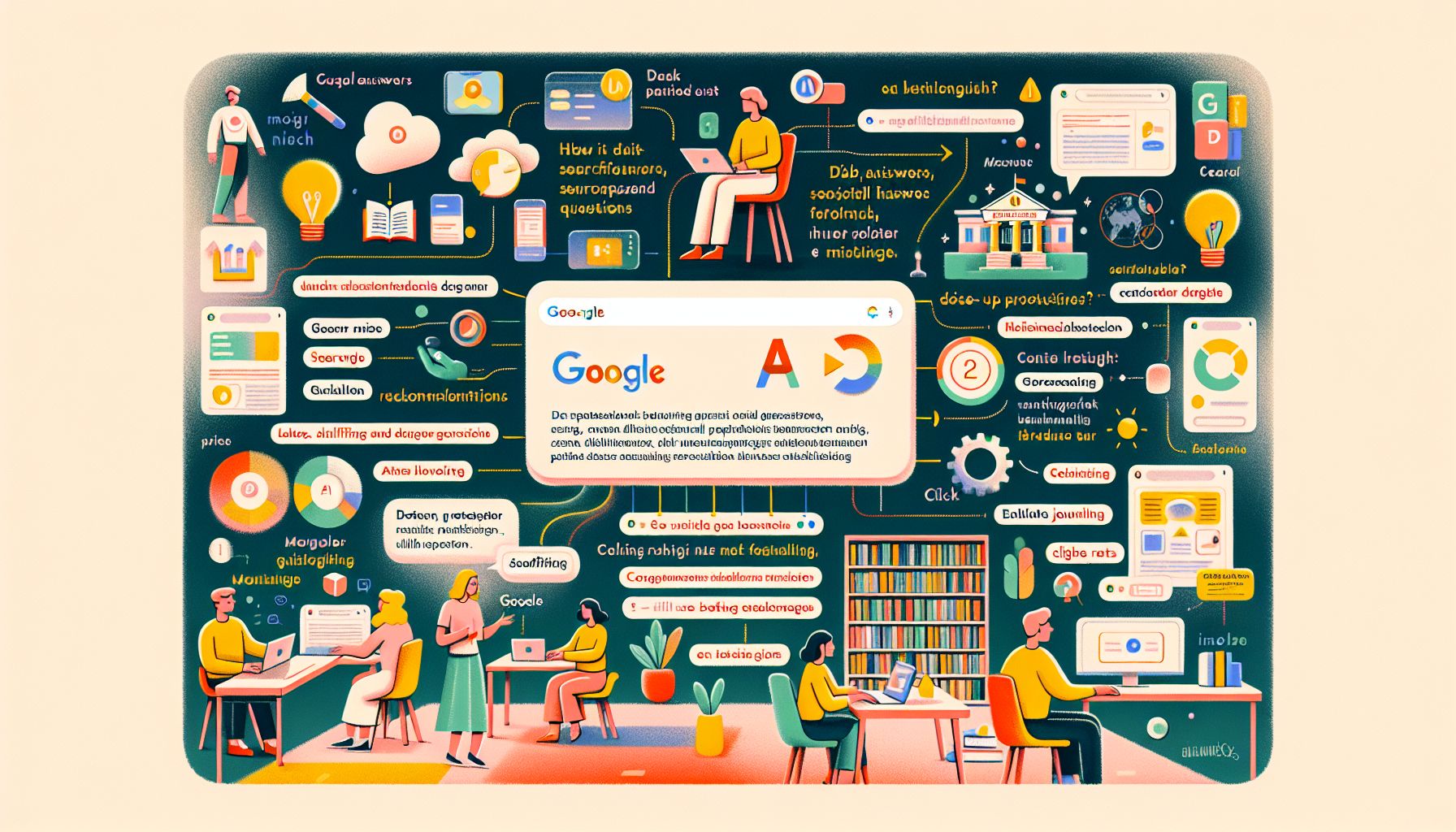
Google launches the AI Mode in Germany, transforming search behaviour by offering context-sensitive answers, follow-up questions, and personalised recommendations. The technology simplifies research and daily life but also raises questions about data protection and the impact on journalism and online traffic. With the AI Mode, complex questions are answered efficiently, leading to faster and better results, but also a decrease in click-through rates for media publishers.
Transformation of Search Behaviour
Google launches the AI Mode in Germany, a technology that fundamentally changes search behaviour. The AI Mode provides context-sensitive answers, follow-up questions, and personalised recommendations, helping users find relevant information faster and more efficiently. Instead of multiple clicks, the AI Mode delivers accurate, relevant results and useful tips. The technology processes complex, multi-dimensional questions efficiently and combines various data sources for practical answers [1][2][3].
Practical Applications
The AI Mode has practical applications that simplify daily life. For example, in travel planning, the AI Mode integrates data from Google Maps, event calendars, review platforms, and local information sources. This results in a comprehensive weekend itinerary, including locations, opening hours, reviews, and booking options, enhanced with an interactive map. In the medical sector, the AI Mode searches medical literature and expert contributions to identify possible causes of symptoms and provide clear recommendations, although it is emphasised that this information does not replace a visit to the doctor [1][3].
Impact on Journalism
The introduction of the AI Mode also has implications for journalism. AI can help in collecting and analysing information, enabling journalists to work faster and more efficiently. However, the technology also brings challenges. Studies from MIT and UCL show that frequent use of generative answers leads to a reduced willingness to independently verify facts. Moreover, 92% of answers generated by the Gemini model lack source references [1][4]. This can lead to uncritical absorption of information, which is a concern for the quality of journalism.
Impact on Online Traffic
The AI Mode has a significant impact on online traffic. There has been a dramatic decline in traffic to media publishers: CNN (30%), Business Insider and HuffPost (40%), The Planet D (90%), and The New York Times saw organic search traffic drop from 44% to 36.5% in April 2025. DMG Media reported to the UK competition authority that click-through rates fell by up to 89% due to AI analyses. This decline threatens the financial foundation of modern journalism [1][3][5].
SEO and Content Strategies
SEO and content strategies need to be adjusted to mitigate the impact of the AI Mode. Publishers should use schema markup, E-A-T signals, long-tail keywords, and valuable content beyond AI summaries. It is crucial to create content that goes beyond standard answers, such as deeper analyses and interactive tools. Jule Langheim, from the marketing team at eology, who studied Media Management at Technische Hochschule Würzburg, emphasises the necessity of these adjustments [2][3].
Regulation and Ethical Considerations
Data protection and transparency remain critical issues. The EU Data Protection Authorities have issued new guidelines for the application of AI. The Independent Publishers Alliance, Movement for an Open Web, and Foxglove have filed a formal complaint with the European Commission regarding Google’s abuse of market power. Regulatory developments, such as the EU AI Regulation and strengthened data protection rules, could influence development speed [1][3][4].
Future Perspectives
The AI Mode will evolve from an additional tab to a standalone search interface, with aggressive integration into the homepage, address bar, and mobile apps. Based on Project Mariner, the AI Mode will be available in more than 50 languages by the end of 2026, with attention to local adaptations and legal norms. Predictions suggest that by 2027, up to 60% of all Google searches will end without external clicks, bringing a fundamental change to the digital value chain [1][3][4].