Social Media Conference 2025: AI and the Future in Focus
paramaribo, maandag, 27 oktober 2025.
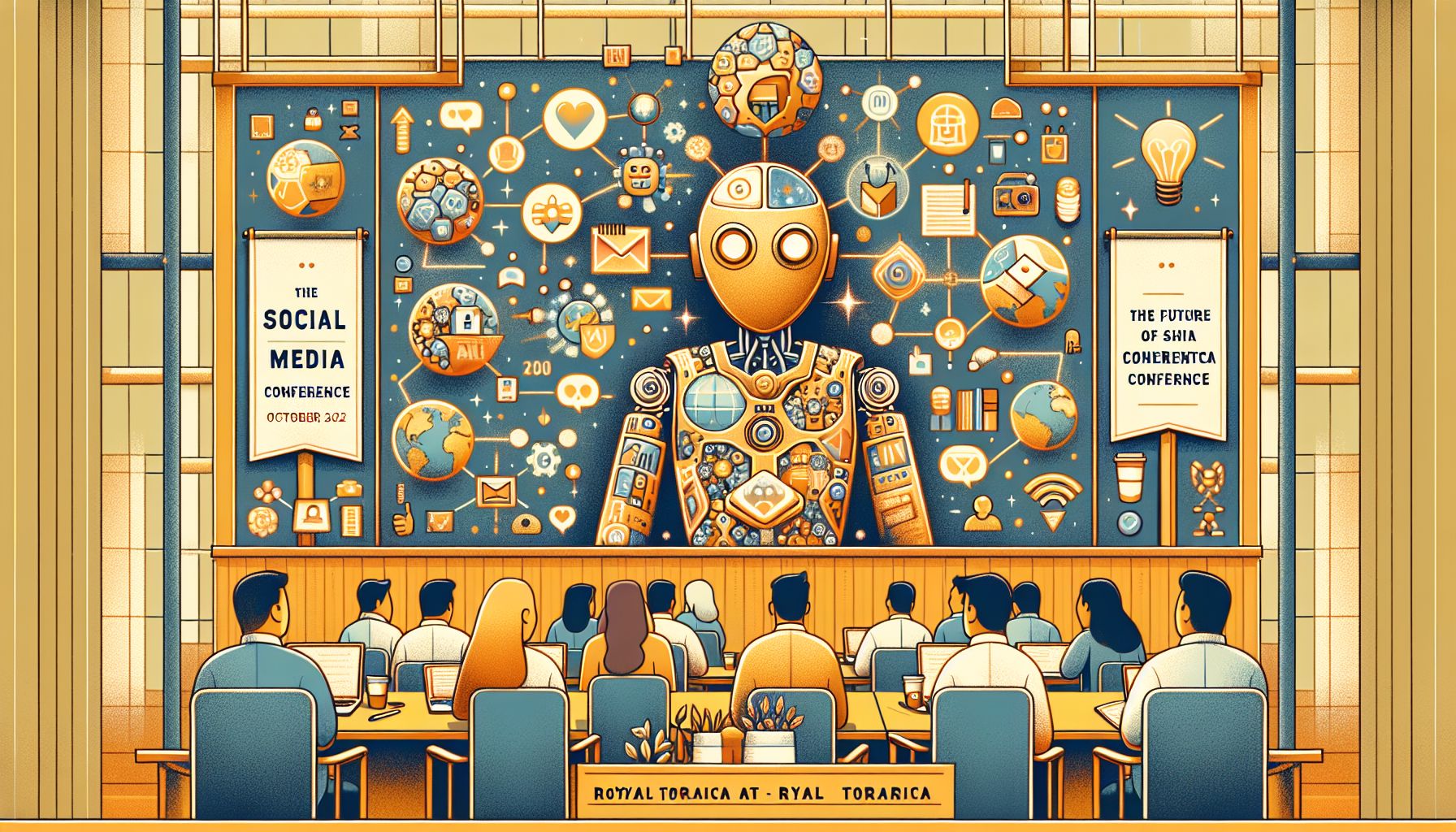
The ninth edition of the Social Media Conference, taking place on the last Wednesday and Thursday of October at Royal Torarica, focuses on the future of AI in social media. The conference, which previously lasted three days, has now been shortened to two days to better accommodate participants. With discussions about innovative technologies and their impact on the social media landscape, this conference offers valuable insights for professionals and enthusiasts.
Specific example: automatic news summarisation and personalised briefing
A concrete and widely used AI application in journalism is automatic summarisation and personalised briefing: algorithms analyse long articles, extract key points and people, and assemble short, reader-friendly summaries tailored to individual readers [GPT][3]. This is deployed both for subscription growth strategies and to guide readers more quickly through important developments, an approach that aligns with trends news organisations worldwide share within professional networks such as INMA [3].
The technology behind the application
The core typically consists of large language models (LLMs) combined with extractive and abstractive summarisation techniques: extractive methods select sentences from the original, while abstractive methods generate new, compact text based on conceptual representations of article content [GPT][3]. For personalisation, user profiles and behavioural data are linked to content embeddings so the AI prioritises themes and sources a particular reader values more often — a practice many news brands discuss in international knowledge exchanges and masterclasses by professional associations [3].
How news production is changing
In newsrooms the workflow is changing: journalists use AI summarisation to quickly scan dossiers and prioritise sources, freeing up more time for original reporting or deeper investigative work [GPT][3]. At the same time, editorial teams use AI to automate routine tasks — such as compiling local traffic reports, market updates or sports results — which increases publication speed and the scalability of coverage [GPT][3].
Effect on news consumption and business models
Personalised summaries influence how the public experiences news: readers receive relevant information faster, but also risk ending up in filter bubbles when recommendation algorithms optimise too strongly for engagement over diversity of sources [GPT][3][4]. At the same time, platforms and publishers use AI-driven shopping or discovery features to reach younger audiences, a strategy similar to the deployment of AI and visual search techniques commercial platforms use to boost engagement [4].
Benefits: speed, scalability and new revenue paths
The benefits of automated summarisation and personalisation are concrete: faster news delivery, greater scale of local and niche coverage, and new opportunities for paid product offerings (such as personalised premium briefings) that contribute to subscription models sought by international media organisations [3][4]. This technological utilisation fits within a broader shift in media towards digital transformation and new revenue models [3].
Drawbacks and ethical risks
Key drawbacks are that summarising AI can omit facts or overgeneralise, lose subtle context and amplify existing biases in source material, which can cause misrepresentation or misleading content in condensed formats [GPT][3]. Additionally, deepfakes and manipulated content pose a threat to trust; platforms using AI to win back or engage users, such as commercial social media, illustrate how technology can amplify both opportunities and risks when verification and transparency are lacking [4].
Regulation, policy discourse and professional standards
The societal and political debate about AI is growing: experts and activists argue that AI should be a top priority for governments, which affects digital regulation and public funding for ethical AI development [2][3]. News organisations and industry associations therefore advise transparency obligations (for example, clearly labelling when content has been generated by AI), audit trails for algorithmic decisions and continued human ultimate responsibility in editorial choices [3][2].
Relevance for the Social Media Conference at Royal Torarica
The ninth edition of the Social Media Conference at Royal Torarica pays attention to the future of AI in social media and is scheduled for 27 and 28 October; the organisers explicitly stated that the conference — previously three days — has been reduced to two to better accommodate participants [1]. That agenda provides a local forum to discuss how AI applications for media (such as automatic summarisation, personalisation and verification tools) present both opportunities and challenges for journalists and platforms [1][3][4].
Sources
A full list of consulted sources is shown below; general technical and journalistic background information is indicated as general knowledge [GPT].