voorlichting

Why the future of AI is shaped by ethics – not just technology
Hanoi, maandag, 8 december 2025.
The Vietnam AI Contest 2025 was about more than innovation; it was also about responsible use of artificial intelligence. An international team of experts, led by Cansu Canca from Northeastern University, evaluated projects not only for creativity but especially for their ethical foundations. The most striking aspect? The jury placed an unusual emphasis on ‘carelessness’ as a design flaw – an idea that ethics must not be seen as an add-on, but as a fundamental pillar of good technology. This approach, which leads to AI that genuinely contributes to human wellbeing, demonstrates that the real challenge of this moment is no longer in building smart machines, but in constructing an intelligent society.
Pourquoi l'avenir de l'IA est façonné par l'éthique – et non seulement par la technologie
Hanoi, maandag, 8 december 2025.
Le Vietnam AI Contest 2025 ne portait pas seulement sur l’innovation, mais aussi sur l’utilisation responsable de l’intelligence artificielle. Un groupe international d’experts, dirigé par Cansu Canca de l’Université Northeastern, a évalué les projets non seulement sur leur créativité, mais surtout sur leur fondement éthique. Ce qui ressortait le plus ? Le jury a mis l’accent sur un concept inhabituel : le « manque de soin » (carelessness) comme erreur de conception – une idée selon laquelle l’éthique ne doit pas être perçue comme une option supplémentaire, mais comme une pierre angulaire fondamentale d’une bonne technologie. Cette approche, qui conduit à une IA véritablement au service du bien-être humain, montre que le vrai défi de ce moment ne réside plus dans la création de machines intelligentes, mais dans la construction d’une société intelligente, responsable et humaine.
Waarom de toekomst van AI wordt gevormd door ethiek – en niet alleen technologie
Hanoi, maandag, 8 december 2025.
De Vietnam AI Contest 2025 ging niet alleen over innovatie, maar ook over verantwoord gebruik van kunstmatige intelligentie. Een internationaal team van experts, onder leiding van Cansu Canca van Northeastern University, beoordeelde projecten niet alleen op creativiteit, maar vooral op hun ethische grondslag. Het meest opvallende? De jury hield een ongebruikelijke focus op ‘carelessness’ als ontwerpfout – een idee dat ethiek niet mag worden gezien als een extra, maar als een fundamentele bouwsteen van goede technologie. Deze aanpak, die leidt tot AI die echt bijdraagt aan menselijk welzijn, laat zien dat de echte uitdaging van dit moment niet langer in het maken van slimme machines ligt, maar in het bouwen van een intelligente samenleving.
How AI is Transforming Emergency Care from Within – Without Replacing the Doctor
Nederland, maandag, 8 december 2025.
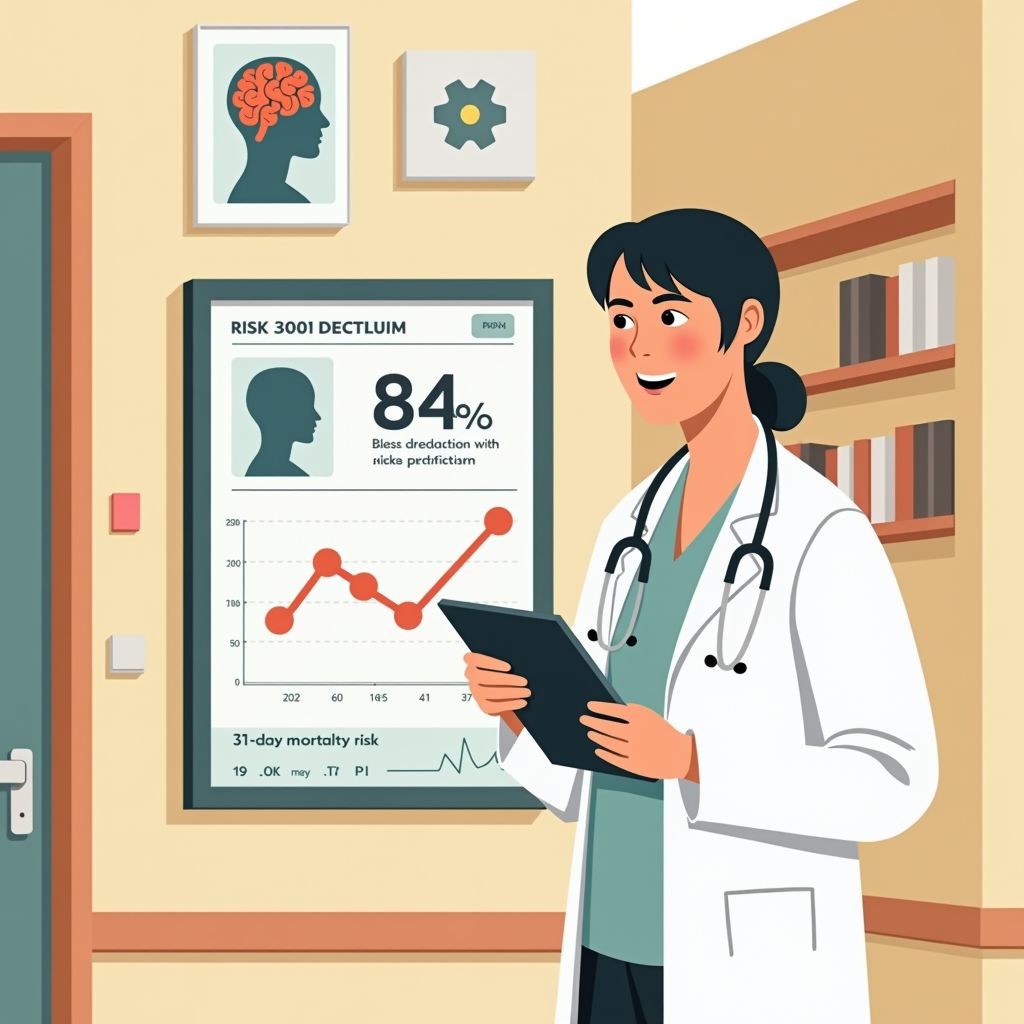
A world-first study demonstrates that artificial intelligence (AI) in emergency departments (ED) is a reliable tool: it predicts the risk of death within 31 days with 84% accuracy. Yet a surprising finding emerges: doctors rarely adjust their treatment plans, even when given this information. Why? Because the AI only signals risks, without providing concrete recommendations. The study, conducted in Maastricht with 1,303 patients and 97 physicians, shows that technology adds real value only when it seamlessly integrates into daily clinical workflows. The future lies not in automation, but in responsible human-machine collaboration—where the physician always retains ultimate decision-making authority.
Comment l'intelligence artificielle transforme les soins d'urgence intérieurs – sans remplacer le médecin
Nederland, maandag, 8 december 2025.
Une étude mondiale pionnière démontre que l’intelligence artificielle (IA) en soins d’urgence (SEH) est un outil fiable : elle prédit avec une précision de 84 % le risque de décès dans les 31 jours suivant l’admission. Pourtant, un fait surprenant émerge : les médecins ajustent très peu leur prise en charge, même lorsqu’ils ont accès à ces informations. Pourquoi ? Parce que l’IA ne propose que des signalements de risque, sans recommandations concrètes. L’étude, menée à Maastricht avec 1 303 patients et 97 médecins, montre que la technologie apporte vraiment de la valeur uniquement lorsqu’elle s’intègre véritablement au quotidien. L’avenir ne réside pas dans l’automatisation, mais dans une collaboration responsable entre humain et machine – où le médecin conserve toujours la direction des décisions.
Hoe AI de spoedeisende hulp van binnen verandert – zonder de arts te vervangen
Nederland, maandag, 8 december 2025.
Een wereldwijde eerste studie toont aan dat kunstmatige intelligentie op de spoedeisende hulp (SEH) een betrouwbaar hulpmiddel is: het voorspelt de kans op overlijden binnen 31 dagen met 84 procent nauwkeurigheid. Toch blijkt een verrassend feit: artsen passen hun behandeling nauwelijks aan, ook al krijgen ze deze informatie. Waarom? Omdat de AI alleen risico’s signaliseert, maar geen concrete aanbevelingen doet. De studie, uitgevoerd in Maastricht met 1.303 patiënten en 97 artsen, laat zien dat technologie pas echt waarde toevoegt als ze echt aansluit op het dagelijks werk. De toekomst ligt niet in automatisering, maar in verantwoorde samenwerking tussen mens en machine – waar de arts altijd de leiding houdt.
How AI Monitors the Fundamental Rights of Everyone
Den Haag, vrijdag, 5 december 2025.
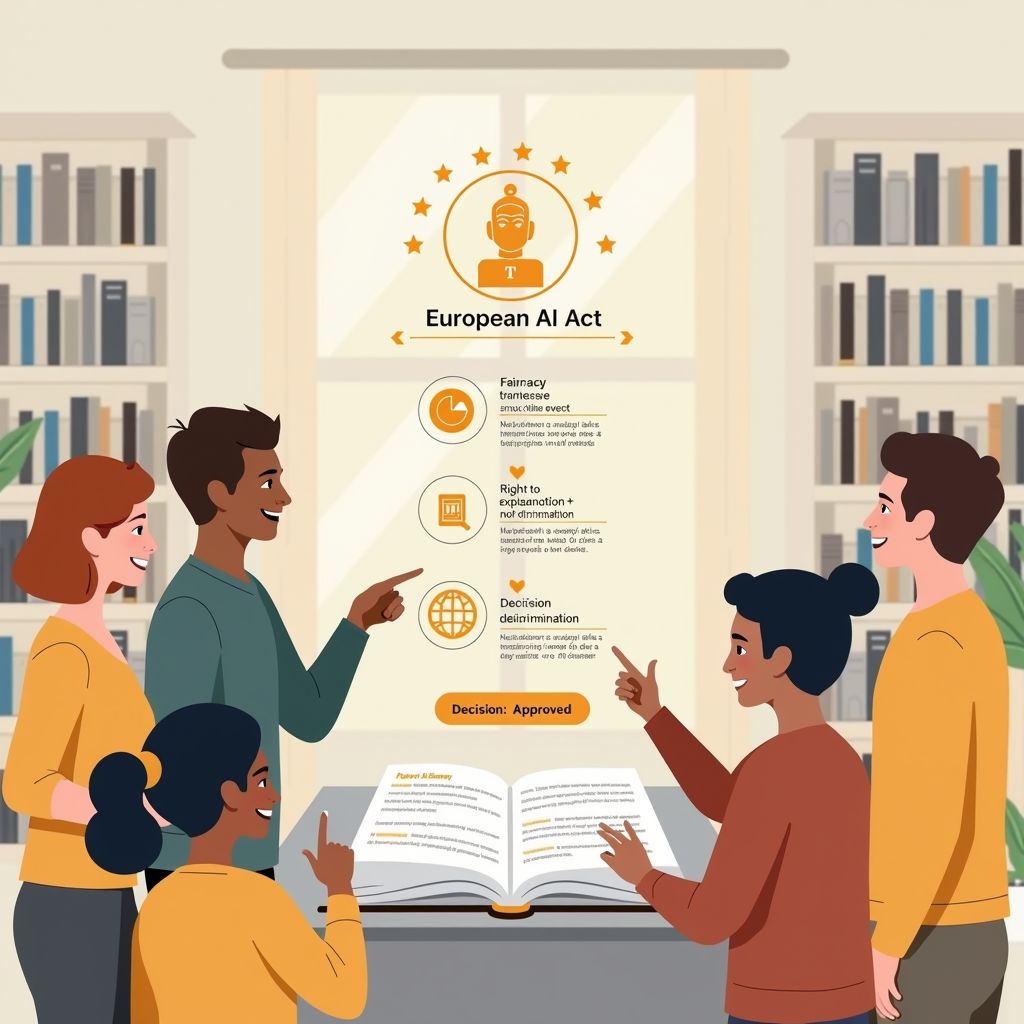
Imagine an algorithm deciding whether you get a loan, a job, or even a traffic fine — without you knowing. The Dutch Data Protection Authority has now published an overview demonstrating how the European AI Act genuinely safeguards fundamental rights such as privacy and the right to a fair process. Most notably, the law requires even high-risk AI systems in public services to be tested for bias and transparency. This means that as a citizen, you have the right to an explanation when a machine makes a decision about you. Over the coming months, regulators and organisations will implement these guidelines — potentially transforming forever how AI is used in our daily lives.
Comment l'IA veille sur les droits fondamentaux de chacun
Den Haag, vrijdag, 5 december 2025.
Imaginez qu’un algorithme décide si vous obtenez un prêt, un emploi, ou même une amende pour infraction de circulation — sans que vous en soyez informé. Le Conseil des Droits de l’Homme a maintenant publié un état des lieux qui montre comment le règlement européen sur l’IA garantit concrètement la protection des droits fondamentaux, tels que la vie privée et le droit à un procès équitable. Ce qui frappe le plus ? La loi exige que même les systèmes d’IA à haut risque utilisés dans les services publics soient testés en matière de discrimination et de transparence. Cela signifie que, en tant que citoyen, vous avez le droit à une explication lorsque machine prend une décision à votre sujet. Au cours des prochains mois, les autorités de contrôle et les organisations mettront ces lignes directrices en application — ce qui pourrait transformer à jamais la manière dont l’IA est utilisée dans notre vie quotidienne.
Hoe AI de grondrechten van iedereen in de gaten houdt
Den Haag, vrijdag, 5 december 2025.
Stel je voor dat een algoritme beslist of je een lening krijgt, een baan, of zelfs een verkeersboete krijgt — zonder dat je er iets van weet. Het College voor de Rechten van de Mens heeft nu een overzicht gepubliceerd dat laat zien hoe de Europese AI-verordening de bescherming van fundamentele rechten, zoals privacy en het recht op een eerlijk proces, echt waarborgt. Het meest opvallende? De wet vereist dat zelfs hoogrisico-AI-systemen in overheidsdiensten worden getoetst op discriminatie en transparantie. Dit betekent dat je als burger recht hebt op uitleg als een machine je beslissing neemt. De komende maanden zullen toezichthouders en organisaties deze richtlijnen in de praktijk brengen — en dat kan de manier waarop AI in ons dagelijks leven wordt ingezet, voorgoed veranderen.
How AI Could Divide the World – and What We Can Do About It
Hanoi, woensdag, 3 december 2025.
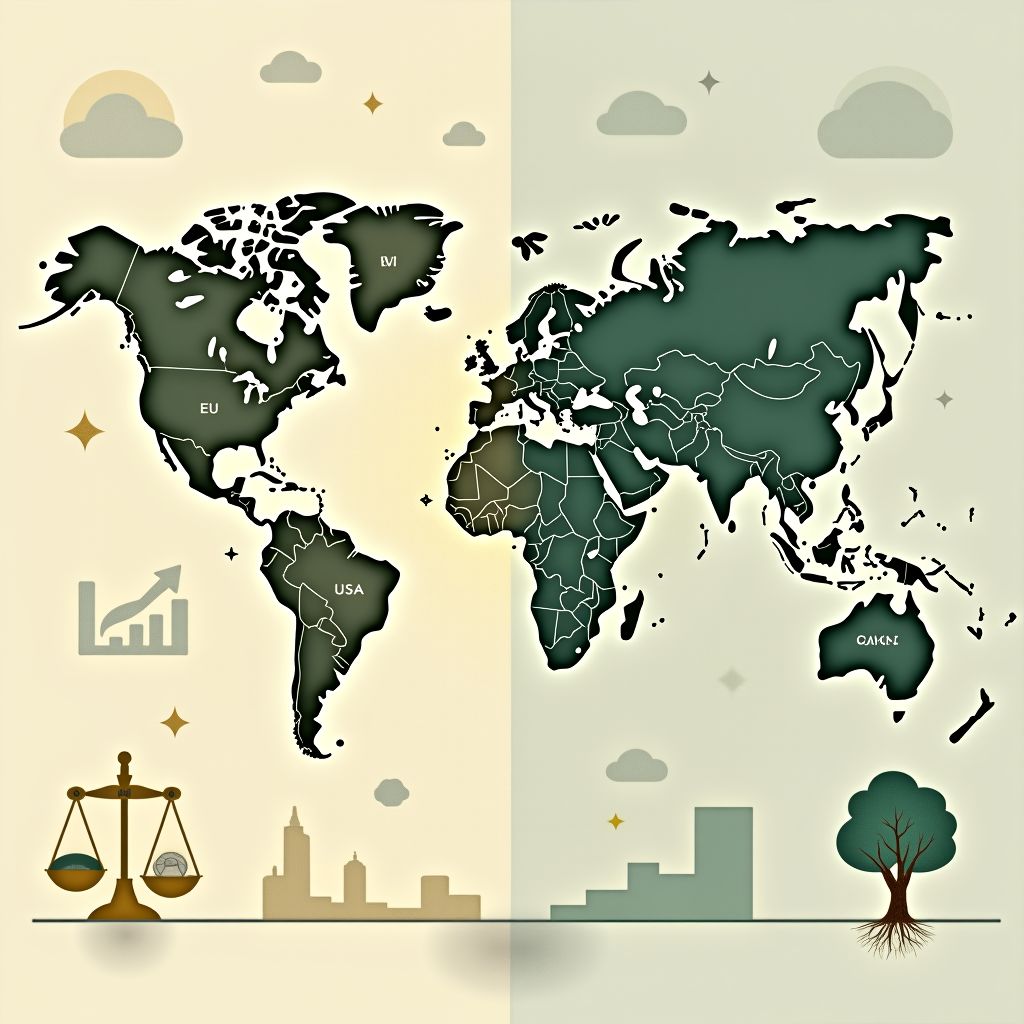
AI has the potential to widen global inequality, warns the UNDP based on a new report from Hanoi. The most striking finding? The gap between wealthy and poorer nations could deepen, as only a handful of countries have sufficient access to the technology, skills, and infrastructure needed to benefit from AI. While countries like Vietnam are actively building AI strategies, developing nations remain in the background. The opportunities are significant – such as a potential 2 percentage point boost in GDP growth across the Asia-Pacific region – but only if inclusive policies are implemented. The decision over who wins and who falls behind depends not on technology, but on the choices we make today.
Comment l'IA peut diviser le monde en deux – et ce que nous pouvons y faire
Hanoi, woensdag, 3 december 2025.
L’intelligence artificielle a le potentiel d’aggraver les inégalités mondiales, avertit le PNUD sur la base d’un nouveau rapport publié à Hanoï. Le fait le plus frappant ? La fracture entre les pays riches et les pays pauvres pourrait s’approfondir, car seulement une poignée de nations disposent d’un accès suffisant aux technologies, aux compétences et à l’infrastructure nécessaires pour tirer parti de l’IA. Alors que des pays comme le Viêt Nam s’activent à développer une stratégie IA, les pays en développement restent en retrait. Les opportunités sont énormes – comme une croissance potentielle de 2 points de pourcentage du PIB dans la région Asie-Pacifique – mais elles ne seront réalisables qu’avec des politiques inclusives. Le choix de savoir qui gagne et qui est laissé pour compte ne dépend pas de la technologie, mais des décisions que nous prenons aujourd’hui.
Hoe AI de wereld in tweeën kan splijten – en wat we eraan kunnen doen
Hanoi, woensdag, 3 december 2025.
AI heeft het vermogen om de wereldwijde ongelijkheid te vergroten, waarschuwt het UNDP op basis van een nieuw rapport uit Hanoi. Het meest opvallende feit? De kloof tussen rijke en arme landen kan zich verdiepen, omdat slechts een handvol landen voldoende toegang hebben tot de technologie, vaardigheden en infrastructuur die nodig zijn om van AI te profiteren. Terwijl landen als Vietnam actief zijn in het opbouwen van een AI-strategie, blijven ontwikkelingslanden op de achtergrond. De kansen zijn groot – zoals een potentiële groei van 2 procentpunten in het bbp van de Azië-Pacific-regio – maar alleen als er inclusief beleid komt. De beslissing over wie er wint en wie achterblijft, hangt niet af van technologie, maar van keuzes die we nu maken.